


Water damage doesn’t wait for you to figure out your next move. The moment water hits your floors, walls, or ceilings, a clock starts ticking. Within hours, what could have been a straightforward drying job can snowball into a full-scale restoration project. For Chandler and Phoenix homeowners, Arizona’s extreme heat actually makes this worse, not better. The team at Voda Cleaning & Restoration of Phoenix has seen firsthand how a delayed call for water damage restoration turns a manageable situation into a costly one.
What Happens in the First 24 to 72 Hours?
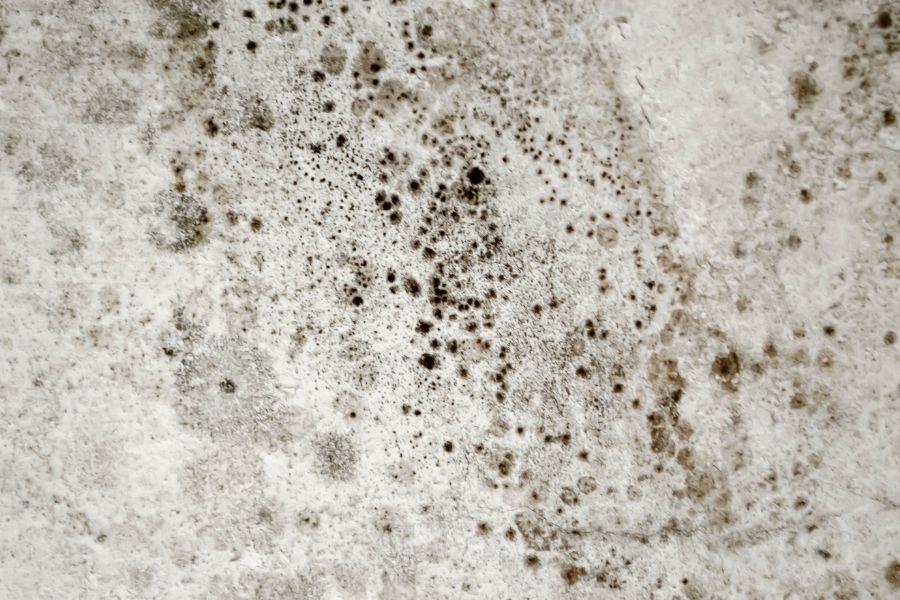
Moisture starts causing secondary damage almost immediately. Within 24 hours, water wicks into drywall, soaks into carpet padding, and seeps beneath tile. By 48 hours, mold spores can start colonizing damp surfaces. The EPA’s guide on mold and moisture confirms mold can begin growing on wet materials within 24 to 48 hours under the right conditions.

In Arizona, those conditions are almost always present. Summer temperatures regularly exceed 110°F, and indoor humidity rises quickly when water sits on a slab foundation. That heat doesn’t dry things out the way you’d expect. It accelerates microbial growth instead.
Did you know? Mold colonies can become visible in as little as 48 to 72 hours in Arizona’s warm climate. What starts as a water extraction job can become a combined water and mold project if action isn’t taken quickly.
How Do Delays Change the Scope of Work?
When water damage is caught early, most materials can be dried in place. Industrial air movers and dehumidifiers pull moisture from drywall, subflooring, and framing without tearing anything out. That’s the goal of water mitigation: save as much of the existing structure as possible.
Wait too long, and saving those materials is no longer an option. Saturated drywall loses structural integrity. Carpet padding that’s been wet for more than 48 hours becomes a breeding ground for bacteria. Even wood framing can begin to warp.
| Timeline | What’s Happening | Likely Scope |
|---|---|---|
| 0 to 24 hours | Water absorbed into porous materials; bacteria multiplying | Water extraction + drying only |
| 24 to 48 hours | Mold spores colonizing; odors developing; drywall softening | Mitigation + antimicrobial treatment + partial removal |
| 48 to 72 hours | Visible mold possible; carpet padding unsalvageable; wood swelling | Mitigation + mold remediation + material replacement |
| 72+ hours | Widespread contamination; structural compromise; adjacent areas affected | Full remediation + reconstruction + insurance disputes |
Every day of delay doesn’t just add to the timeline. It adds entire categories of work that wouldn’t have been necessary with a faster response.
Don’t let a small water problem become a big restoration project. Call now for a free inspection.
Why Delayed Reporting Complicates Insurance Claims
Most homeowners insurance policies require “prompt action” to mitigate damage after a covered event. If you wait several days before calling a restoration company or filing a claim, your insurer may argue that some of the damage was preventable. That can lead to reduced payouts or outright denials.

Adjusters look at when the damage occurred, when it was reported, and what steps the homeowner took to limit further damage. If there’s a noticeable gap between the event and the response, it raises red flags. Documentation from a certified restoration company, including moisture readings, photos, and a detailed scope, strengthens your position significantly.
Voda Cleaning & Restoration of Phoenix works directly with insurance companies and helps homeowners through the claims process from the first call. That coordination matters most when timing is tight. For a deeper look, check out our guide on whether water damage is covered by homeowners insurance in Arizona.
What Are the Hidden Costs of Waiting?
The visible damage is only part of the picture. Delays create a cascade of secondary problems that most homeowners don’t anticipate until they’re already dealing with them.
The Real Cost of Delay: By the Numbers
|
2x to 3x Typical cost increase when mitigation is delayed beyond 48 hours |
24 to 48 hrs Window before mold colonization begins on wet surfaces |
30%+ Of delayed claims face reduced insurance payouts |
When mold enters the equation, you’re no longer dealing with just water mitigation. You’re adding professional mold remediation on top of the original work. That’s a separate scope, separate containment, and separate equipment.
Costs That Stack Up When You Wait
✅ Day 1: Water extraction and structural drying
✅ Day 2 to 3: Antimicrobial treatment + carpet padding removal + drywall cuts
✅ Day 3 to 5: Mold testing, containment, and remediation added to scope
✅ Day 5+: Structural replacement, reconstruction, extended equipment rental
✅ Throughout: Possible insurance pushback on preventable damage
This is why restoration professionals emphasize response time. It’s not a sales tactic. It’s the single biggest factor in keeping a project manageable. Homeowners who’ve been through common mistakes after a monsoon flood will tell you the same thing.
|
IICRC Certified Water, Mold & Fire Restoration |
24/7/365 Response Guaranteed 2-Hour Arrival |
Free Inspections Direct Insurance Coordination |
What Can You Do Right Now?
If you’re dealing with water damage, or suspect a slow leak, get a professional assessment before the situation escalates. The IICRC’s restoration standards exist because proper moisture assessment prevents secondary damage.
A certified technician can use moisture meters and thermal imaging to map exactly where water has traveled, even behind walls and under flooring. Whether the source is a burst pipe, an appliance leak, or monsoon flooding, the response protocol is the same: act fast, document everything, and get professionals involved. Homeowners across the East Valley, from Gilbert and Mesa to Tempe, deal with these situations every monsoon season.
Water damage gets worse with every hour. Get a certified team on-site fast.
Frequently Asked Questions
How quickly does water damage get worse in Arizona’s heat?
Very quickly. Arizona’s high temperatures accelerate bacterial growth and mold colonization. What might take several days in a cooler climate can happen in 24 to 48 hours here. Porous materials like drywall and carpet padding absorb moisture rapidly on slab foundations, and warm indoor air creates ideal conditions for microbial activity.
Will my insurance cover water damage if I wait to report it?
Most policies require prompt mitigation. Waiting several days may lead your insurer to reduce the payout for damage they consider preventable. Filing your claim and calling a restoration company the same day gives you the strongest position. The Ready.gov flood recovery guidelines also recommend immediate action.
Can I just run fans and handle water damage myself?
Box fans and open windows aren’t enough for anything beyond a small surface spill on hard flooring. Professional storm damage restoration equipment includes commercial-grade dehumidifiers, air movers, and moisture detection tools that reach areas household fans can’t. Without proper drying, trapped moisture leads to mold, warping, and structural issues.
What’s the most common reason water damage projects get more expensive?
Delayed response. When homeowners wait even two or three days, materials that could have been dried in place often need full replacement. Mold remediation gets added to the scope, equipment rental extends, and insurance disputes become more likely. Calling a certified restoration company within hours is the fastest way to keep costs down.

More Blogs


Categories