


The average cost of water damage restoration in Blawenburg typically ranges from $1,200 to $5,000, but depending on the severity of the water intrusion, the cost can reach over $10,000 for large-scale flooding or sewage backups. The actual price depends on factors such as the type of water involved, the size of the affected area, and how quickly the issue is addressed.
Water damage restoration isn’t just about removing standing water; it involves drying, dehumidification, cleaning, sanitizing, and restoring your property to a safe and habitable condition. Homeowners who act fast and hire certified professionals like Voda Cleaning & Restoration of Princeton often save thousands in future repairs and avoid mold-related issues.
What Exactly Is Water Damage Restoration?
Water damage restoration is a specialized process designed to restore properties that have suffered from leaks, floods, or plumbing failures. It includes assessment, water extraction, drying, sanitization, and repair. The goal is to return your property to its pre-loss condition and prevent long-term structural or health hazards.
Key stages of the restoration process include:
- Inspection and Assessment: Professionals identify the source and category of water (clean, gray, or black) and evaluate the damage.
- Water Removal: Industrial-grade pumps and vacuums are used to remove standing water quickly.
- Drying and Dehumidification: Heavy-duty dehumidifiers and air movers remove moisture trapped in walls, flooring, and furniture.
- Cleaning and Sanitizing: Technicians disinfect the area, removing bacteria, odors, and contaminants.
- Restoration and Repair: Damaged drywall, insulation, and flooring are replaced or repaired to restore the property’s integrity.
Each phase is essential for ensuring the problem doesn’t resurface. According to the Institute of Inspection, Cleaning and Restoration Certification (IICRC), professional standards ensure safety and long-lasting restoration results.
Key Factors That Influence the Cost of Water Damage Restoration in Blawenburg
No two water damage cases are identical. The final restoration cost depends on a combination of variables that affect labor, materials, and timeline. Here’s a deeper look at what drives the total price.
1. Type of Water Involved
Water damage is categorized into three types:
- Clean Water (Category 1): Originates from burst pipes or rainwater leaks; easier to clean and costs around $3-$4 per square foot.
- Gray Water (Category 2): Comes from appliances like washing machines or dishwashers and costs $4-$6 per square foot due to moderate contamination.
- Black Water (Category 3): Contains sewage or floodwater from outdoor sources and costs $7-$8 per square foot because of hazardous contaminants and complex cleaning requirements.
Black water cleanup involves biohazard-level safety measures and specialized equipment, which significantly increases costs.
2. Extent and Depth of Damage
A ceiling leak might only require minor drywall replacement, but a flooded basement could require full-scale extraction, mold prevention, and structural drying. The larger the area, the higher the total restoration expense.
3. Materials and Surfaces Affected
- Carpets and padding absorb water quickly and often need replacement.
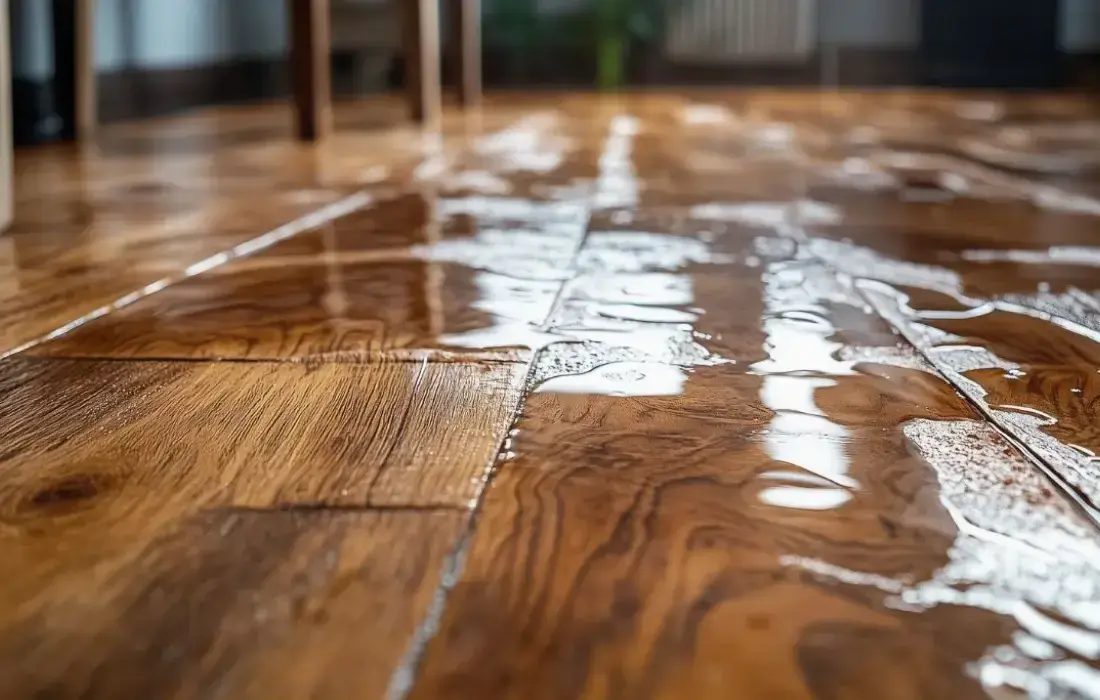
- Wood flooring may require sanding, refinishing, or total removal.
- Drywall may swell or warp and often needs cutting and reinstallation.
4. Presence of Mold or Odor Damage
If restoration is delayed beyond 48 hours, mold spores can spread, resulting in additional costs of $1,000 to $3,000 for remediation.
5. Location and Accessibility
Basements, crawl spaces, or attics are harder to access, making cleanup more time-consuming and expensive.
At Voda Cleaning & Restoration of Princeton, technicians inspect every affected area to provide a transparent, itemized estimate, ensuring no hidden costs surprise you later.
Why Hiring a Professional Water Damage Restoration Company Is Essential
Some homeowners might consider cleaning up water damage on their own. However, DIY methods typically address only surface-level moisture, leaving hidden dampness that leads to structural weakening and mold growth.
Here’s why hiring experts like Voda Cleaning & Restoration of Princeton makes all the difference:
- Professional moisture detection: Infrared cameras identify hidden dampness behind walls and under flooring.
- Specialized equipment: Commercial-grade dehumidifiers and extractors ensure complete drying.
- Mold prevention: Certified specialists apply antimicrobial solutions to prevent future outbreaks.
- Documentation for insurance claims: Technicians record and document all stages of cleanup for your insurance company.
- Safe handling of contaminated water: Professionals have the right training and gear to manage biohazardous conditions.
Ultimately, professional water damage restoration ensures long-term safety and saves you from repeat damage and expensive reconstruction.
The Hidden Costs Homeowners Should Watch Out For
Even after visible water is gone, hidden problems can appear weeks later. Here are some potential hidden costs to keep in mind:
- Electrical issues: Water exposure can corrode wiring or affect circuit breakers.
- Foundation cracks: Prolonged moisture can weaken concrete and cause structural instability.
- Insulation damage: Wet insulation loses effectiveness and may lead to higher energy bills.
- Persistent odors: Musty smells often indicate incomplete drying or hidden mold.
Working with a certified provider such as Voda Cleaning & Restoration of Princeton helps detect these issues early.
How Insurance Impacts Water Damage Restoration Costs
Insurance coverage for water damage restoration in Blawenburg depends on the cause. Most policies cover sudden and accidental damage, such as a burst pipe or appliance malfunction. However, gradual leaks or flood-related damage may not be covered unless you have additional flood insurance.
Tips for managing claims effectively:
- Document every step with photos and videos.
- Contact your insurance company immediately after noticing the damage.
- Keep receipts and estimates from restoration professionals.
- Hire a company like Voda Cleaning & Restoration of Princeton, which works directly with insurance adjusters for accurate documentation.
Being proactive helps maximize your claim and speeds up the restoration process.
Preventing Water Damage in the Future
Preventing water damage is far cheaper than repairing it. Here’s how to keep your home safe:
- Inspect plumbing regularly for leaks, corrosion, and weak joints.
- Install leak detectors near major appliances like water heaters or washing machines.
- Clean gutters and downspouts to direct rainwater away from your foundation.
- Check roof shingles and flashing at least once a year.
- Schedule periodic inspections with Voda Cleaning & Restoration of Princeton for moisture testing and prevention guidance.
By staying vigilant, homeowners can avoid costly water damage restoration and maintain a healthier living environment.
How Advanced Technology Is Changing Water Damage Restoration
Modern water restoration relies heavily on technology. At Voda Cleaning & Restoration of Princeton, technicians use advanced tools to ensure precision and speed.
Examples of this technology include:
- Thermal imaging cameras to identify hidden pockets of moisture.
- Desiccant dehumidifiers that work efficiently in large or humid spaces.
- HEPA air scrubbers that remove bacteria and improve indoor air quality.
- Digital moisture meters that measure real-time dryness levels.
This data-driven approach ensures your property is completely dry, safe, and mold-free before restoration is considered complete.
How Long Does Water Damage Restoration Take in Blawenburg?
The timeline for water damage restoration depends on the severity of the incident, but on average, most homes in Blawenburg take 3 to 7 days for full drying and initial restoration. However, major water damage from flooding or sewage backups may extend the process to two weeks or more.
The drying phase alone can take several days, as professionals must ensure that hidden moisture is removed from insulation, wall cavities, and subfloors. Rushing this step can lead to mold formation and structural instability later on. After drying, the repair phase begins, which may include repainting, replacing drywall, reinstalling flooring, and addressing any electrical concerns.
At Voda Cleaning & Restoration of Princeton, advanced moisture detection equipment allows technicians to monitor progress accurately and speed up the process without compromising quality. This ensures that every surface is restored properly and your property returns to a safe, comfortable condition as quickly as possible.
Why Blawenburg Homeowners Should Act Immediately After Water Damage
Timing is everything when it comes to water damage restoration in Blawenburg. The first 24 hours are the most critical for reducing long-term damage and costs. When water sits for too long, it seeps into building materials, weakens the foundation, and encourages mold growth.
Immediate action can save homeowners from expensive replacements later. For instance, carpets and drywall that are addressed within hours can often be salvaged. But if delayed beyond two days, these materials may require complete removal. Early intervention also helps with insurance claims since insurers value timely mitigation efforts.
Homeowners should contact Voda Cleaning & Restoration of Princeton as soon as water intrusion is detected. Their team provides emergency 24-hour response, ensuring that extraction and drying begin immediately. Acting fast not only protects your property but also ensures the health and safety of your family by preventing microbial contamination.
The Final Verdict on Water Damage Restoration in Blawenburg
The average cost of water damage restoration in Blawenburg varies depending on water type, damage severity, and materials affected. While smaller repairs might cost around $1,200, extensive cleanup from contaminated water can exceed $10,000. However, investing in professional services not only restores your property efficiently but also prevents long-term health and structural issues.
When disaster strikes, trust Voda Cleaning & Restoration of Princeton for fast, certified, and reliable restoration. They are experts at handling everything from inspection to cleanup to repair, ensuring peace of mind and full restoration.
If your home or business has suffered water damage, Call us at (848) 800-2671 or schedule an appointment today.
Frequently Asked Questions About Water Damage Restoration
Can water damage affect the air quality inside my home?
Yes. Standing water and damp materials promote bacterial and mold growth, which can significantly lower indoor air quality. Professionals use HEPA air scrubbers and dehumidifiers to purify the air during the restoration process.
Is it safe to use household fans to dry water damage?
Household fans are not powerful enough to dry soaked materials or reach hidden moisture inside walls. Professional-grade air movers and dehumidifiers are required to fully eliminate humidity and prevent mold growth.
How do professionals test for hidden water damage?
Experts at Voda Cleaning & Restoration of Princeton use infrared moisture detectors and hygrometers to identify hidden dampness behind walls or under flooring without invasive demolition.
What are the early signs of hidden water damage?
Early signs include peeling paint, bubbling wallpaper, musty odors, and unexplained mold patches. If you notice these, contact a restoration professional immediately before the issue worsens.

More Blogs



Categories