


The average cost of fire & smoke damage restoration in Dayton, NJ ranges from $3,500 to more than $35,000, depending on the severity of the fire, the level of smoke penetration, and how much structural repair is needed.
Understanding Fire & Smoke Damage Restoration Costs in Dayton, NJ
Most homeowners are surprised by how much smoke can spread through a property, even when flames are contained to a single room. Fire & smoke damage restoration is a multi-step process that involves assessment, cleanup, deodorization, repairs, and contents recovery. Because these conditions vary widely, pricing can shift significantly from one household to another.
Professionals like Voda Cleaning & Restoration of Princeton evaluate multiple elements to determine the most accurate estimate. Restoration specialists consider not only visible fire damage but also hidden smoke infiltration, water saturation from firefighting efforts, and heat distortion that may compromise building materials.
Common cost ranges seen in Dayton include:
- Light smoke residue cleanup: $2,000 to $6,000
- Moderate fire & smoke damage restoration: $7,000 to $25,000
- Full structural recovery after a major fire: $30,000 to $150,000+
The sooner restoration begins, the lower the risk of secondary issues such as corrosion, staining, or persistent odors.
Factors That Influence Fire & Smoke Damage Restoration Costs
Pricing for fire & smoke damage restoration depends on several property-specific variables. Each factor adds complexity, impacting labor, equipment, and the time required to fully restore your home.
- How Far Smoke Travels Through the Property
Smoke can move through cracks, vents, insulation, and wall cavities. In many homes, the smoke travels faster and farther than homeowners expect. The wider the smoke spread, the more time and materials are needed for complete restoration.
- The Type of Fire That Occurred
The burn source determines what kind of residue is left behind:
- Grease or protein fires produce strong odors that cling stubbornly to surfaces
- Electrical fires leave fine particulate that embeds deeply into porous materials
- Synthetic material fires leave oily soot that requires special removal solutions
Restoring these conditions properly requires techniques that only trained technicians can perform.
- Level of Structural Damage
If beams, flooring, drywall, or roofing absorb high heat, they may require replacement. Structural reconstruction is often the largest portion of fire & smoke damage restoration costs. Replacement of insulation, drywall, cabinets, and framing can increase the total price significantly.
- Equipment and Techniques Needed
Fire & smoke damage restoration typically involves specialized equipment such as:
- HEPA vacuums
- Air scrubbers
- Thermal foggers
- Hydroxyl generators
- Moisture meters
- Commercial dehumidifiers
Each is used at different stages to remove soot, restore air quality, and prevent lingering smoke odor. The more equipment required, the higher the cost.
- Water and Moisture Damage After Firefighting
Fire suppression often leaves behind:
- Pooled water
- Saturated drywall
- Damp insulation
- High humidity
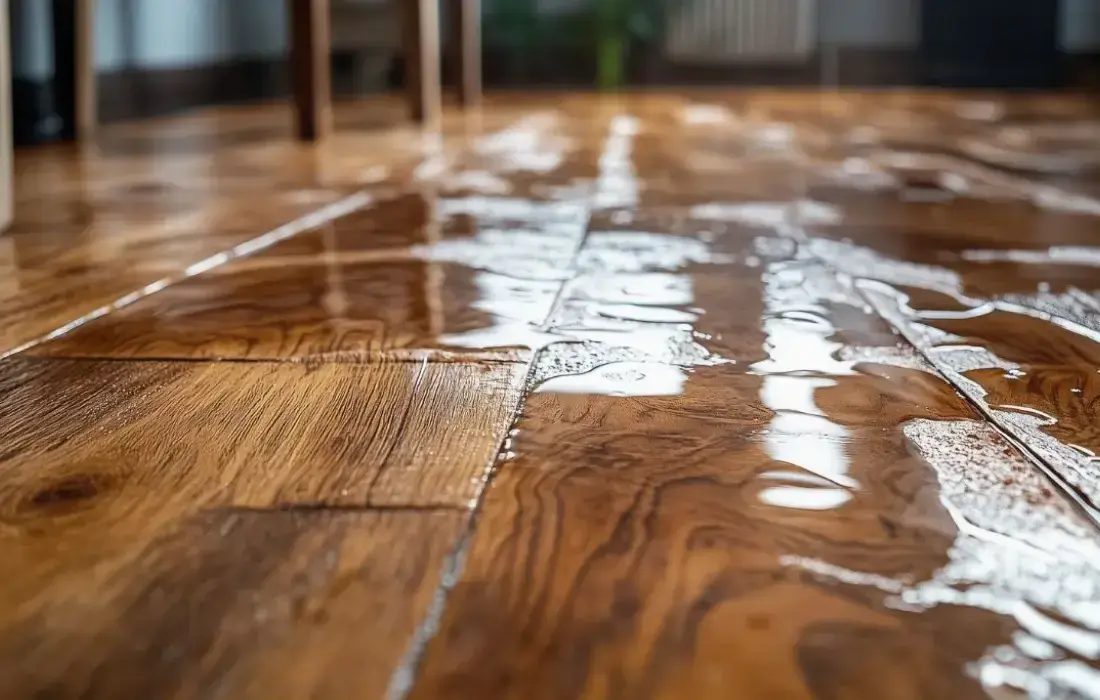
This requires extraction, drying, and dehumidification. Water-related repairs can add $1,000 to $10,000 to the total restoration cost.
- Cleaning and Restoring Personal Belongings
Fire & smoke can damage:
- Clothing
- Furniture
- Electronics
- Art
- Textiles
- Documents
Restoration professionals determine which items are salvageable and which must be replaced. Contents cleaning may require off-site storage, deodorization, and specialized cleaning treatments.
Voda Cleaning & Restoration of Princeton can handle contents assessment and cleaning as part of a complete restoration plan.
Why Professional Fire & Smoke Damage Restoration Is Essential
Fire damage cleanup is complex and hazardous. Soot contains acidic and toxic particles that can cause respiratory issues and permanent staining if not handled correctly. Many homeowners underestimate how easily soot smears, embeds, or damages materials when touched without proper protection.
Attempting DIY cleanup can lead to:
- Deepened stains
- Spread of contamination
- Structural issues overlooked
- Lingering smoke odors that cannot be removed
- Health risks from airborne particles
Certified professionals have the training and equipment necessary to restore materials safely and efficiently. Teams like Voda Cleaning & Restoration of Princeton follow strict industry guidelines to protect your home and your health.
The Step by Step Fire & Smoke Damage Restoration Process
Understanding the restoration timeline helps homeowners know what to expect after experiencing fire damage.
- Detailed Assessment and Documentation
Technicians inspect structural components, HVAC systems, surfaces, and contents. Measurements and photographs support insurance claims and help determine the most efficient restoration path.
- Emergency Property Stabilization
Board-ups, tarping, and securing unsafe areas prevent further damage. Stabilization also protects the home from weather exposure and unauthorized entry.
- Water Extraction and Advanced Drying
Removing water quickly prevents mold growth and reduces reconstruction costs. Drying equipment runs until all moisture levels return to safe ranges.
- Soot and Smoke Residue Removal
Specialized cleaning agents, HEPA vacuuming, and controlled agitation remove soot without causing further damage.
- Deep Odor Elimination
Smoke odor removal is one of the most challenging parts of restoration. Professionals use:
- Thermal fogging
- Hydroxyl treatment
- Ozone generation (when appropriate)
- Duct cleaning
These methods neutralize odors instead of masking them.
- Repairs and Reconstruction
This may involve reinstalling drywall, flooring, insulation, cabinetry, or roofing. Damaged materials are replaced with safe, code-compliant options.
- Final Cleaning and Home Sanitization
The last step includes surface cleaning, deodorizing finishes, and returning restored contents to the home. When done properly, the property feels fresh, safe, and fully restored.
How Homeowners in Dayton, NJ Can Keep Costs Lower
While the restoration itself must be done by professionals, there are steps you can take to prevent costs from rising.
Here are ways to minimize additional expenses:
- Contact a restoration company immediately to begin mitigation
- Avoid touching soot-covered surfaces
- Do not wipe walls or furniture since soot can smear
- Do not use household cleaners on smoke-damaged materials
- Avoid turning on the HVAC system
- Keep a detailed home inventory for insurance
- Take photos before any items are moved
Choosing a trusted team like Voda Cleaning & Restoration of Princeton helps ensure a streamlined process that protects both your home and your insurance claim.
Understanding the Hidden Costs of Fire & Smoke Damage Restoration in Dayton, NJ
Many homeowners focus only on the immediate, visible destruction after a fire, but hidden factors can significantly influence the total investment required for fire & smoke damage restoration. In Dayton, NJ, the less obvious impacts of smoke, heat, and moisture often create secondary damage that continues long after the flames are extinguished. These hidden issues include corrosion on metal surfaces, deterioration of electrical wiring, weakened structural components, and lingering odors that seep into subflooring and insulation. Each of these problems requires specialized attention, which can increase overall project costs.
Another important hidden cost comes from damaged HVAC systems. Smoke that circulates through ducts can settle deep inside the system, which means cleaning, replacing filters, and treating the air pathways may be necessary. In severe cases, duct lining or insulation also needs replacement. These costs are not always immediately apparent but are essential for restoring clean air and ensuring long-term safety.
Homeowners should also be aware of potential health-related costs if smoke contamination is not addressed quickly. Breathing in particulate matter can lead to respiratory issues, headaches, and long-term health concerns. This is why hiring a trained team like Voda Cleaning & Restoration of Princeton is vital for complete fire & smoke damage restoration. Professionals understand how to identify hidden damage and prevent costly future issues, making the restoration process safer and more efficient.
How Insurance Claims Work for Fire & Smoke Damage Restoration in Dayton, NJ
Navigating insurance coverage after a fire is often overwhelming, especially when dealing with the stress of property damage. Understanding how claims work can help homeowners in Dayton, NJ receive the full benefits of their policy during fire & smoke damage restoration. Insurance companies typically evaluate the cause of the fire, the extent of damage, the cost of restoring the home, and whether temporary living arrangements are needed. Documenting every detail is essential because strong evidence can significantly impact how fast and how much of the claim is approved.
The process usually begins with contacting the insurer immediately after the incident. An adjuster will visit the property to examine the damage, but homeowners should never rely solely on this inspection. Professional restoration companies often provide a more detailed assessment that helps strengthen the claim. Companies like Voda Cleaning & Restoration of Princeton offer documentation support by providing photos, moisture readings, itemized restoration plans, and repair estimates. This ensures the insurance company receives accurate information about the true scope of fire & smoke damage restoration.
One important part of the claims process is understanding what your policy does and does not cover. Most policies include dwelling coverage, personal property protection, and sometimes coverage for smoke-related damage, soot cleaning, and reconstruction. However, some items may require special documentation or additional endorsements. Acting quickly also prevents further damage, which insurance companies expect homeowners to do as part of their policy responsibilities. With the right documentation and professional guidance, homeowners can avoid common claim delays and receive timely support to restore their homes fully.
The Final Verdict on Fire & Smoke Damage Restoration in Dayton, NJ
Fire & smoke damage restoration in Dayton, NJ requires trained experts, specialized tools, and a detailed plan to return your home to a safe and livable condition. Costs vary depending on structural damage, smoke contamination, and the size of the project, but hiring a professional team like Voda Cleaning & Restoration of Princeton ensures thorough, reliable, and safe restoration.
If you need trusted fire & smoke damage restoration services in Dayton, NJ, expert help is only a call away.
Call us at (848) 800-2671 or schedule an appointment to begin restoring your home with confidence.
Frequently Asked Questions About Fire & Smoke Damage Restoration
Why does smoke odor linger for months even after cleaning?
Smoke particles are extremely small and can penetrate deep into drywall, insulation, fabric, and air ducts. Even if the visible soot is removed, microscopic particles remain trapped inside porous materials. This is why professional deodorization techniques like thermal fogging and hydroxyl treatment are necessary to break down odor molecules instead of covering them.
Can all personal items be restored after fire & smoke exposure?
Not always. Some items are fully salvageable, while others may be unsafe to keep. For example, electronics exposed to soot can corrode internally, and certain plastics absorb smoke beyond repair. Restoration professionals carefully evaluate each item to determine whether it can be cleaned, deodorized, or restored to a safe condition.
What should I do if my HVAC system circulates smoke throughout the home?
If smoke entered the HVAC system, do not run it. Smoke residue inside ductwork can spread contamination to every room. Technicians typically perform duct cleaning, replace filters, and use odor-neutralizing treatments to ensure clean airflow before the system is used again.

More Blogs



Categories