


Table of Contents
- 1. Understanding Mold in Your Home
- 2. What Causes Mold Growth?
- 3. Common Signs of Mold Growth
- 4. Health Risks Associated with Mold
- 5. Immediate Steps to Take if You Find Mold
- 6. The Role of Professional Mold Remediation
- 7. Preventing Future Mold Issues
- 8. Professional Mold Remediation Near You
- 9. Frequently Asked Questions About Mold Remediation
If you discover mold in your New Providence home, the most important steps are to immediately contact a professional mold inspector or remediation company to assess the situation and determine the source of the moisture causing the mold growth; do not attempt to clean large areas of mold yourself, and ensure to address the underlying cause of the moisture issue to prevent future mold growth.
Understanding Mold in Your Home
Mold thrives in damp, humid environments, such as basements, bathrooms, or under carpets. When left unchecked, it can spread quickly, causing structural damage and posing risks to your health. If not addressed promptly, it can spread rapidly, leading to structural damage and potential health concerns. Recognizing and managing mold early with expert mold remediation services in North New Jersey is crucial for maintaining a safe and healthy living environment.
What Causes Mold Growth?
Mold requires three main conditions to grow: moisture, warmth, and an organic material to feed on. Common triggers include:
- Leaking pipes or roofs: Even small drips can create a haven for mold.
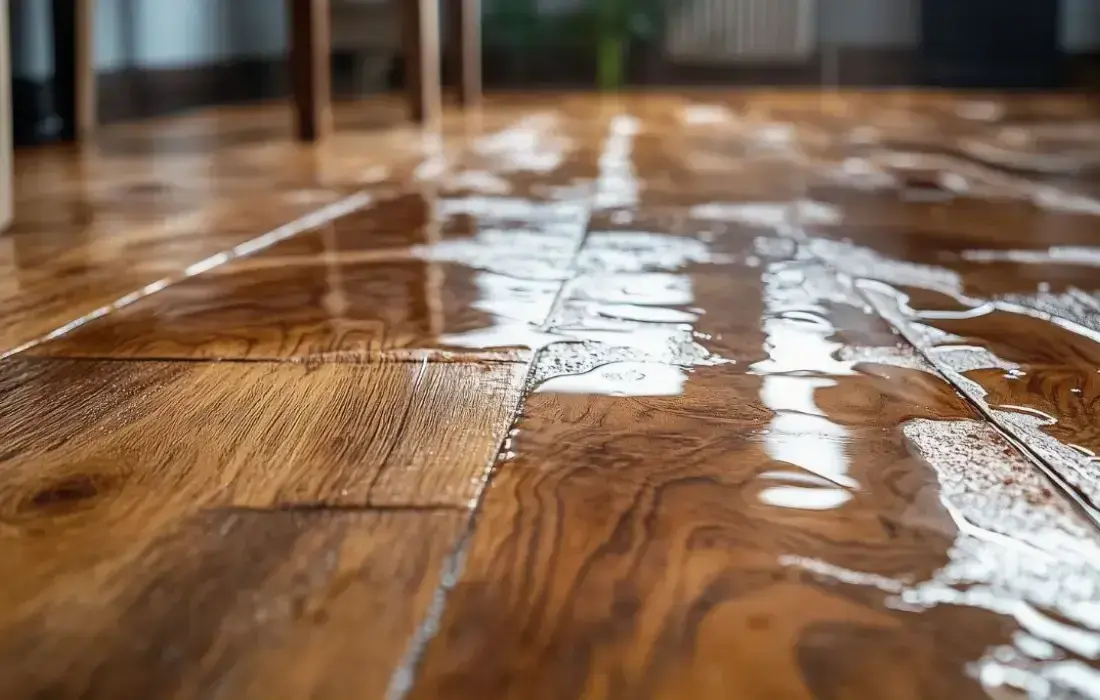
- Flooding: Waterlogged areas that aren’t dried properly.
- Poor ventilation: Especially in bathrooms and kitchens, where humidity can build up.
- Wet carpets and upholstery: Uncleaned spills or unnoticed dampness under carpets.
Common Signs of Mold Growth
Mold growth in your home often starts subtly but can escalate quickly if left untreated. Knowing the common signs of mold can help you identify the issue early and take immediate action.
1. Musty Odors
One of the most recognizable signs of mold is a persistent musty smell. This odor is usually earthy, damp, and unpleasant, indicating mold growth in hidden areas such as behind walls, under carpets, or within air ducts.
- Where to check: If you notice the smell in specific rooms, inspect basements, attics, or spaces with poor ventilation.
- Tip: Ventilating the space temporarily may reduce the smell, but the odor will return if the underlying mold is not addressed.
2. Visible Discoloration
Mold often manifests as discoloration on surfaces, varying in color and texture.
- Black mold: Appears as dark, blotchy spots and is often found in areas with constant moisture, like bathrooms or basements.
- Green mold: Typically found on walls, ceilings, or fabrics, especially where water damage has occurred.
- White mold: Often fuzzy and mistaken for dust or mildew; it thrives on organic materials like wood or drywall.
Discoloration under carpets or on the backing of rugs is another red flag. Always keep an eye areas where spills or flooding have occurred for signs of mold.
3. Health Symptoms
- Mold doesn’t just damage your home; it can also affect your health. Unexplained or worsening symptoms in you or your family could point to mold exposure.
- Respiratory problems: Mold spores can irritate airways, causing coughing, wheezing, or shortness of breath.
- Allergic reactions: Sneezing, runny nose, red eyes, and skin irritation are common indicators.
- Persistent symptoms: If symptoms improve when you leave the house but return when you’re home, mold might be the culprit.
4. Water Stains or Damage
Although not always directly linked to mold, water stains on walls, ceilings, or flooring often precede mold growth. Brown, yellow, or black stains signal that moisture has been present long enough to encourage mold development.
Pro Tip: Regularly inspecting and maintaining areas prone to moisture, like bathrooms, kitchens, and basements, can prevent small problems from escalating into severe mold infestations.
By being vigilant about these signs, you can identify mold early and seek professional mold remediation services like those provided by Voda Cleaning and Restoration to address the issue effectively.
Health Risks Associated with Mold
Mold exposure can lead to several health issues, particularly in vulnerable groups such as children, the elderly, and those with compromised immune systems. Common health risks include:
- Respiratory issues: Mold spores can irritate the airways, leading to coughing, wheezing, or throat irritation.
- Allergic reactions: Symptoms like sneezing, red eyes, and itchy skin are common.
- Long-term effects: Prolonged exposure to mold, especially toxic varieties, can result in fatigue, chronic headaches, or sinus infections.
If health symptoms persist without a clear cause, it may be worth having your home inspected by professionals, such as Voda Cleaning and Restoration, who specialize in mold remediation.
Immediate Steps to Take if You Find Mold
1. Confirm It’s Mold
Identifying mold accurately is crucial before proceeding with any remediation efforts. Hire a professional who has the necessary tools and experience to correctly inspect the mold. Call professionals: An expert, like those at Voda Cleaning and Restoration of North New Jersey, can provide a thorough inspection and confirm the extent of the infestation.
2. Contain the Spread
- Prevent mold spores from contaminating other areas in your home by:
- Sealing off the room with plastic sheeting. Keeping windows closed and HVAC systems turned off to avoid spreading spores through air circulation.
3. Protect Yourself
Before attempting any cleanup, wear protective gear such as gloves, goggles, and a mask to reduce exposure. This is especially important if the mold covers more than 10 square feet.
4. Document the Damage
Taking photos and videos of the affected areas can be helpful for insurance claims or discussions with mold remediation specialists. Be sure to capture:
- The visible mold patches.
- Nearby structural damage.
- Leaks or water sources that are contributing to the growth.
5. Avoid DIY Removal
Mold requires professional treatment. Attempting to clean significant mold growth without proper tools or techniques can make the problem worse by spreading spores.
The Role of Professional Mold Remediation
Professional mold remediation ensures a thorough and lasting solution. Experts use specialized equipment and follow industry standards to remove mold and restore your home safely.
How Mold Remediation Works
- Inspection and Assessment: Professionals at Voda Cleaning and Restoration will identify the type of mold and the extent of the contamination.
- Containment: Affected areas are sealed off to prevent spores from spreading.
- Removal: Using advanced techniques such as HEPA filtration, mold is carefully removed without disturbing the spores.
- Cleaning and Disinfection: Surfaces are treated with antimicrobial solutions to kill any remaining spores.
- Restoration: Damaged materials, such as drywall, carpet, or insulation, are repaired or replaced.
Key Tip: Professional Mold remediation often includes preventive measures to address underlying moisture issues, reducing the likelihood of recurrence.
Preventing Future Mold Issues
Once your home is mold-free, it’s essential to implement preventive strategies to avoid future growth.
1. Manage Moisture
- Fix leaks in plumbing, roofs, or windows immediately.
- Ensure your home has adequate drainage to prevent water from pooling around the foundation.
- Use a dehumidifier in damp areas, keeping indoor humidity levels below 50%.
2. Improve Ventilation
- Install exhaust fans in moisture-prone areas like bathrooms and kitchens.
- Open windows periodically to let fresh air circulate.
3. Maintain Cleanliness
- Schedule regular carpet cleaning to prevent moisture buildup under carpets.
- Clean and dry wet items promptly to avoid creating an environment where mold thrives.
- Inspect storage areas, such as basements and attics, for signs of dampness or water damage.
Professional Mold Remediation Near You
Mold in your New Providence home can feel overwhelming, but with the right steps and professional support, it’s manageable. Addressing mold quickly ensures your family’s health and home’s integrity. For reliable mold remediation and carpet cleaning services, contact Voda Cleaning and Restoration of North New Jersey today. Their expert team will ensure your home is mold-free and safe for years to come.
Frequently Asked Questions About Mold Remediation
How can I tell if mold is hiding under my carpets?
Look for discoloration, damp odors, or allergy symptoms that worsen indoors. A professional inspection is the safest way to confirm mold presence. Contact us to learn more about our services.
How long does mold remediation take?
Depending on the extent of the infestation, mold remediation typically takes between 1–5 days. Larger jobs may require additional time.
Can regular carpet cleaning prevent mold growth?
Yes, professional carpet cleaning from Voda Cleaning and Restoration removes moisture, dirt, and allergens, significantly reducing the risk of mold developing under your carpets.

More Blogs


Categories