


Water damage in San Antonio can lead to mold growth when moisture remains in building materials long enough to support fungal growth, making prompt water removal, thorough structural drying, and professional assessment important steps in protecting your property after water damage. Plumbing leaks, roof damage, flooding, and other water intrusions can leave moisture in drywall, insulation, wood, and flooring, including concealed areas that may not appear wet. In San Antonio, heavy rainfall, flash flooding, and plumbing failures can expose properties to these conditions. The area’s warm temperatures and periods of high humidity can make it especially important to address water intrusion and lingering moisture promptly, particularly during the warmer months. When mold develops, a qualified mold remediation company can assess the affected areas, determine the appropriate remediation measures, and help address the underlying moisture problem.
How Does Water Damage Lead to Mold Growth?
Mold spores are present in the environment, but they need suitable conditions to grow. When building materials remain damp, moisture can support mold growth on materials such as drywall paper, wood, insulation, ceiling tiles, and carpet backing. Mold growth can begin within 24 to 48 hours after water damage when moisture and environmental conditions are favorable. The exact timing depends on factors such as moisture levels, temperature, and the materials affected, making prompt water removal and thorough structural drying essential.
Water damage can come from several sources, including burst pipes, leaking plumbing fixtures, roof leaks, overflowing appliances, sprinkler discharges, and stormwater intrusion. Water may spread beyond the area where it first enters, soaking porous materials or collecting in concealed spaces. That’s why removing visible water does not necessarily mean the building is dry. Moisture can remain inside wall cavities, beneath flooring, above ceilings, or within insulation after the surface appears dry. If those materials stay damp, mold may develop out of sight and become more extensive before it is discovered.
Air conditioning systems are another potential source of moisture problems in San Antonio properties. Clogged condensate drain lines, overflowing drain pans, and condensation around HVAC components can introduce moisture into nearby building materials. If these issues go unnoticed, persistent dampness can create conditions that allow mold to develop.
What Are the Signs of Mold After Water Damage?
Mold may appear as discolored spots or patches on building materials, but visible growth is not the only indication of a possible problem. Other signs of lingering dampness may warrant further investigation, particularly when affected materials are not readily visible.
Common signs include:
- Visible growth or discoloration: Spots or patches may appear on drywall, wood, ceiling tiles, carpet, or other materials. Color and appearance alone cannot identify the type of mold.
- Persistent musty odors: A musty smell may indicate a moisture problem or microbial growth, especially when the source is not visible.
- Water stains or damaged finishes: Bubbling paint, peeling finishes, swollen trim, warped flooring, and stained ceiling tiles can indicate moisture exposure.
- Recurring dampness or condensation: Repeated moisture around windows, plumbing, air-conditioning components, or other building areas may signal an unresolved issue. In San Antonio, condensation around air conditioning equipment and drain lines is worth investigating, especially when moisture repeatedly affects nearby walls, ceilings, or flooring.
These signs do not independently confirm mold growth or establish its extent. If you notice them after a leak or flooding event, a professional evaluation can help determine whether further investigation or remediation is needed.
How Do Professionals Assess Mold After Water Damage?
A professional assessment considers the source of the water, the materials affected, and whether dampness or contamination extends beyond visible damage. The findings help determine whether the next step is structural drying, mold remediation, or a combination of services.
Step 1: Identify the moisture source. The assessment begins by investigating what caused the water intrusion and whether the source has been corrected. Depending on the situation, this may involve plumbing leaks, roof damage, exterior water intrusion, condensation, or another moisture problem.
Step 2: Locate affected materials. Moisture meters help measure moisture levels in suitable building materials. Infrared cameras identify temperature patterns that may indicate areas needing further investigation, but they do not directly detect mold or confirm moisture on their own. Wall cavities, spaces above ceilings, and areas beneath flooring may require additional inspection.
Step 3: Determine the scope of the work. Assessment findings help establish which materials may be dried or cleaned, which may require removal, and whether containment is appropriate. For regulated mold remediation projects in Texas, the work must follow applicable requirements and the remediation protocol prepared by an appropriately licensed mold assessment professional.
When Is Professional Mold Remediation Needed?
If mold is present in a home or building, it is best to have the situation evaluated by a qualified professional rather than attempting to handle the cleanup yourself. Mold can affect porous building materials and spread into areas that are not readily visible, making it difficult to determine the full extent of the problem from a surface inspection alone. The appropriate response depends on the extent of the growth, the types of materials involved, and the conditions identified during assessment.
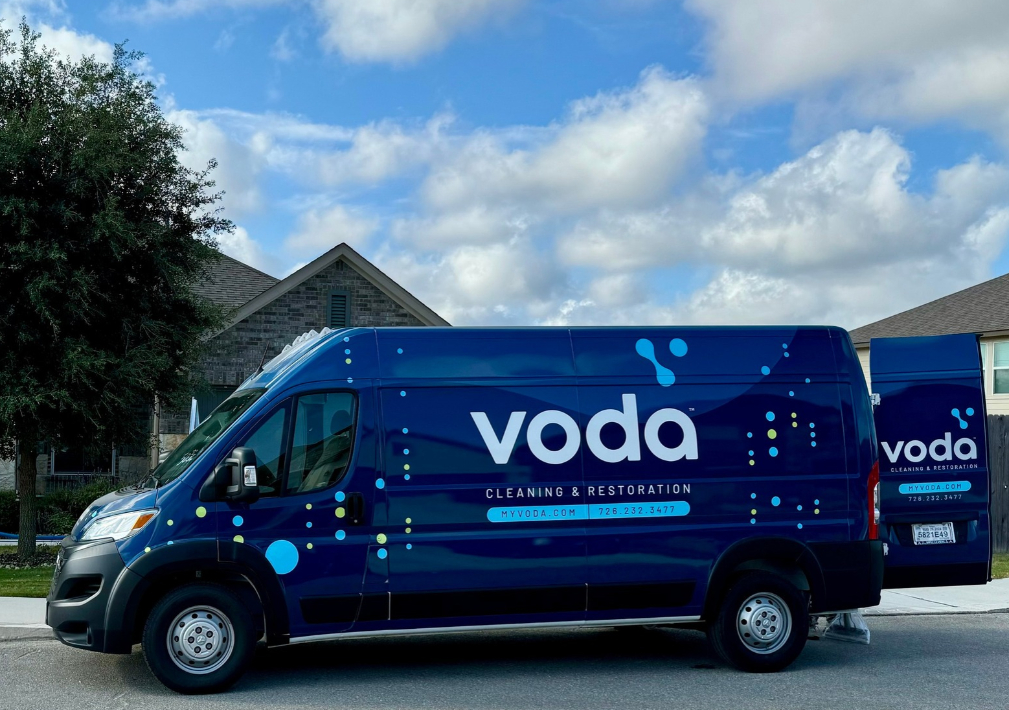
Drying is essential when materials are wet, but drying alone does not remove mold contamination that has already developed. Likewise, cleaning visible mold from a surface may not address contamination within porous materials or concealed areas. A qualified mold remediation company like Voda Cleaning & Restoration of Greater San Antonio can determine which materials need to be cleaned or removed, select appropriate remediation methods, and take steps to control the spread of mold spores and contaminated dust during the work.
In Texas, regulated remediation projects must meet applicable licensing and project requirements. When a separate mold assessment is required, that work must be handled by an appropriately licensed assessment professional.
How Professionals Address Mold After Water Damage
The remediation process addresses existing mold and the conditions that allowed it to develop. The specific steps depend on the materials involved, the extent of the problem, and the needs of each project. However, the following steps are commonly involved.
Step 1: Establish containment when necessary. Depending on the project, plastic barriers and negative air pressure may help limit the spread of mold-contaminated dust into unaffected areas. HEPA air scrubbers filter airborne particles, while workers use appropriate personal protective equipment.
Step 2: Remove or clean affected materials. Porous materials such as contaminated drywall, insulation, or carpet may need to be removed when they cannot be effectively cleaned. Suitable nonporous materials may be cleaned using appropriate methods. HEPA vacuums can help capture dust and debris during remediation. The goal is to address contamination while preserving materials that can be effectively restored.
Step 3: Correct the moisture problem. Mold may return if the source of moisture is not resolved. Depending on the cause, corrective work may include plumbing or roof repairs, addressing condensation, correcting drainage issues, or improving humidity control. Your restoration professional can help identify the necessary next steps and coordinate with qualified outside contractors when specialized repairs are needed.
Step 4: Dry remaining wet materials. Where materials remain wet, air movers and dehumidifiers can support structural drying by promoting evaporation and removing moisture from the air. Appropriate moisture measurements help evaluate drying progress.
Step 5: Complete required post-remediation assessment. For regulated Texas projects, an appropriately licensed mold assessment professional conducts the required post-remediation assessment according to applicable requirements and the remediation protocol. This assessment is separate from the remediation work.
How Can You Prevent Mold After Water Damage?
Reducing the risk of mold after water intrusion starts with prompt water removal, thorough drying of affected materials, and correction of the underlying problem. These steps should account for areas that may not be visible, as well as surfaces showing obvious signs of damage.
After heavy rain or storms in the San Antonio area, property owners should pay attention to signs of roof leaks, water intrusion, and moisture around windows and exterior walls. Air conditioning systems should also be maintained to help prevent clogged condensate lines and recurring moisture problems.
After a leak or flooding event, the water source should be addressed and standing water removed as soon as it is safe to do so. Wet building materials may require professional structural drying, particularly when moisture has reached insulation, wall cavities, subflooring, or ceiling systems.
Moisture measurements can help determine whether affected materials are drying adequately. Property owners should also address recurring leaks, drainage problems, condensation, and excessive indoor humidity rather than treating only the visible effects. If mold is already present, drying remains important, but professional removal or cleaning of affected materials may also be necessary.
Prompt action can reduce the likelihood of mold growth, although it cannot guarantee that mold will not develop after every water incident. The extent of the damage, the materials involved, and how long moisture remains all affect the outcome.
Choosing a Mold Remediation Company in San Antonio
When choosing a mold remediation company, look for proper licensing, experience, and positive customer reviews. A qualified provider should explain which materials can be cleaned or need to be removed, how affected areas will be contained, and how the underlying moisture problem will be addressed.
In Texas, companies performing regulated mold remediation must hold the appropriate licenses through the Texas Department of Licensing and Regulation (TDLR). Certain projects also require advance notification and a follow-up assessment by a licensed mold assessment professional. For guidance on Texas licensing requirements, you can review the TDLR mold laws and rules and TDLR mold notification guidance.
Voda Cleaning & Restoration of Greater San Antonio holds a TDLR Mold Remediation Company license (#RCO1724) and Mold Remediation Contractor license (#MRC2092). With 163 five-star reviews, our team is committed to providing quality service and helping property owners navigate the mold remediation process. We also coordinate with appropriately licensed mold assessment professionals when needed. Contact our team to discuss suspected mold after water damage and determine the appropriate next steps for your home or business.
Frequently Asked Questions About Mold After Water Damage
How soon can mold develop after water damage?
Mold can begin growing within 24 to 48 hours after water damage when moisture and environmental conditions are favorable. The timing depends on factors such as temperature, moisture levels, and the materials affected. Prompt water removal and thorough drying of building materials can help limit the conditions that allow mold to spread.
Can mold grow behind walls after a water leak?
Yes, mold can grow behind walls when moisture reaches drywall, insulation, wood framing, or other building materials and remains there. A wall may look completely dry on the surface while moisture remains inside the cavity. Moisture meters and further investigation can help locate damp materials that are not visible from the room.
Does removing standing water prevent mold?
No, removing standing water alone does not guarantee that mold will not develop. Water can remain trapped in porous materials, beneath flooring, inside wall cavities, and above ceilings even after visible water is gone. Professional structural drying and moisture measurements help verify that affected materials have reached appropriate drying conditions.
What should San Antonio homeowners do after water damage to prevent mold?
San Antonio homeowners should arrange for prompt water removal and professional drying after a leak, flood, or other water intrusion to help prevent mold growth. Voda Cleaning & Restoration of Greater San Antonio provides water damage restoration services to remove standing water, dry affected building materials, and identify moisture that may remain in concealed areas such as wall cavities, beneath flooring, or above ceilings. Addressing moisture promptly can help reduce the risk of mold developing after water damage.
Can mold grow if the area looks and feels dry?
Yes, mold can develop even when surfaces appear dry because moisture may remain trapped inside building materials or concealed spaces. Drywall, insulation, subflooring, and other building components can remain damp even when the surrounding surfaces feel dry. Professional inspection and moisture testing can help determine whether further drying is needed.
Do mold-damaged materials always need to be replaced?
No, not all mold-affected materials need to be replaced. Some nonporous materials and suitable surfaces can be cleaned, while porous materials such as contaminated drywall, insulation, or carpet may require removal if they cannot be effectively cleaned. The appropriate approach depends on the material, extent of contamination, and its overall condition.
Does mold remediation remove the source of the moisture?
For proper mold remediation, the source of moisture should also be identified and corrected to help prevent mold from returning. While mold remediation addresses existing mold contamination, lasting results depend on resolving the underlying moisture problem. Depending on the cause, this may involve plumbing repairs, roof repairs, drainage improvements, or addressing condensation and humidity. A restoration professional can help identify the necessary corrective work and coordinate with qualified outside contractors when specialized repairs are needed.
Does homeowners insurance cover mold after water damage?
Homeowners insurance may cover mold remediation when it results from a covered water damage event, but coverage depends on the policy, cause of the damage, applicable exclusions, and circumstances of the loss. Gradual leaks, neglected maintenance, and flooding may be treated differently from sudden plumbing failures. Review your policy and contact your insurance representative to understand what coverage may apply.
Does mold remediation require a licensed company in San Antonio, TX?
Yes, companies performing regulated mold remediation in Texas must hold the appropriate Texas Department of Licensing and Regulation (TDLR) credentials, subject to applicable exemptions. Certain projects also require a licensed mold assessment professional to prepare a remediation protocol and conduct a post-remediation assessment. Property owners in San Antonio can review TDLR requirements before selecting a remediation provider. Voda Cleaning & Restoration of Greater San Antonio holds the required TDLR licenses for mold remediation, giving property owners confidence that their project is handled by a properly licensed company.
How do I choose a mold remediation company in San Antonio?
Look for a company with appropriate Texas licensing, experience, positive customer reviews, and a clear explanation of its remediation process. Ask how the company will address affected materials, control the spread of contamination, and help resolve the underlying moisture problem. Voda Cleaning & Restoration of Greater San Antonio provides professional mold remediation services backed by the appropriate TDLR credentials. Contact our team to discuss your concerns and learn how we can help address mold problems at your San Antonio home or business.

More Blogs


Categories