

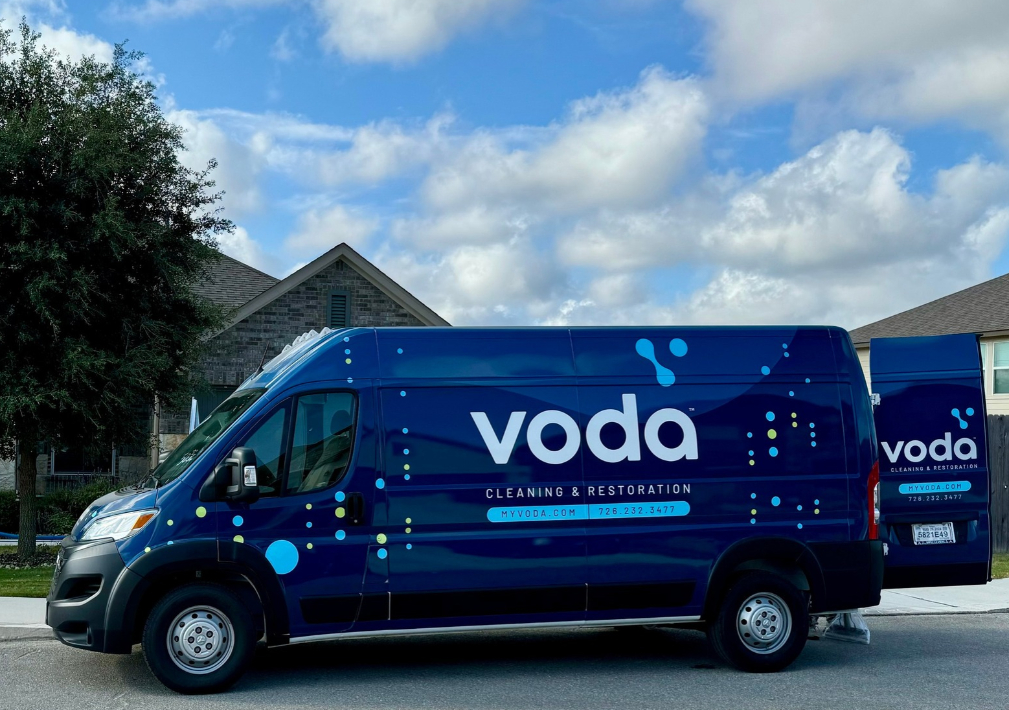
Facility restoration after water, fire, or mold damage involves assessing the affected areas, controlling the source of damage, removing or cleaning damaged materials, and completing the necessary drying, remediation, and repairs. The specific process depends on the type and extent of damage: water restoration focuses on extraction and structural drying, fire restoration addresses soot and smoke contamination, and mold remediation involves removing mold contamination and correcting the underlying moisture problem.
Commercial properties introduce additional considerations because damage can affect shared HVAC systems, electrical infrastructure, inventory, tenant spaces, and day-to-day operations. Understanding how restoration addresses each type of damage helps facility managers make informed decisions about mitigation, repairs, and returning affected areas to service.
How Facility Restoration Addresses Water Damage
Facility restoration after water damage involves identifying and stopping the source of water, removing standing water, locating hidden moisture, drying affected building materials, and determining what requires repair or replacement. Water damage can originate from plumbing failures, sprinkler discharges, roof leaks, stormwater intrusion, or flooding. Even when visible water occupies a relatively small area, moisture can spread into wall cavities, insulation, ceiling systems, flooring, and other concealed building assemblies.
San Antonio’s heavy rainfall and flash-flood exposure make water intrusion an important consideration for local commercial properties. Water can enter through damaged roofing, exterior openings, and drainage systems that cannot handle the volume of runoff. Plumbing failures during occasional winter freezes can also introduce water into walls and ceilings.
Step 1: Identify and stop the water source.
Our first priority is determining where the water originated and stopping further intrusion. Depending on the incident, this may require plumbing repairs, temporary roof protection, or other corrective work. We also account for electrical hazards and potentially contaminated water before affected areas are accessed.
The water source and its level of contamination affect how our team approaches cleanup and which safety precautions are necessary. Under the ANSI/IICRC S500 framework, water damage is classified into three categories. Category 1 (clean water) originates from a sanitary source, such as a broken supply line. Category 2 (gray water) contains significant contamination that may cause discomfort or illness, while Category 3 (grossly contaminated water) may contain harmful pathogens or other hazardous agents, as can occur with sewage backups or rising floodwater.
For a commercial facility, this distinction can affect which areas need to be restricted, what protective measures our team uses, which cleaning methods are appropriate, and whether affected porous materials can be safely restored or require removal. Water quality can also deteriorate as it travels through a building or remains in contact with contaminated materials, so the initial source alone does not always determine its category.
Step 2: Extract standing water.
Our team removes standing water from floors, carpets, and other accessible surfaces using commercial extraction equipment. Removing excess water early helps limit further absorption into building materials and reduces the amount of moisture that must be removed during structural drying. Extraction alone, however, does not eliminate moisture that has already penetrated walls, insulation, flooring, or other building assemblies.
Step 3: Assess the extent of the damage.
Our restoration professionals use moisture meters, thermal imaging, and other tools to investigate water damage. Moisture meters measure moisture levels in building materials, while thermal imaging reveals temperature patterns that may indicate hidden moisture.
We also investigate concealed spaces, such as wall cavities, insulation, and areas beneath flooring, where water may have spread beyond visible damage. During this assessment, we consider whether contact with building materials or contaminants may have changed the water’s contamination category. These findings help us determine the necessary drying and cleaning procedures and whether affected materials can be restored or need to be removed.
Step 4: Dry affected building materials.
Our structural drying approach generally combines air movement with dehumidification. Air movers encourage evaporation from wet surfaces, while dehumidifiers remove moisture from the air to support continued drying. We determine equipment placement and operation based on the materials involved, the amount of moisture present, and environmental conditions. We also use moisture measurements to evaluate drying progress and determine whether materials require further attention.
Step 5: Determine which materials can be restored.
We evaluate affected building materials to determine which can be dried, cleaned, and retained and which may require removal. Saturated or contaminated porous materials may not be suitable for restoration if contamination, deterioration, or inaccessible moisture prevents effective cleaning and drying. For example, damaged drywall or insulation may need to be removed when these conditions prevent adequate restoration.
Step 6: Restore the affected areas.
Once necessary water mitigation, drying, and material removal are complete, repairs can address the building components damaged by the water intrusion. Depending on the extent of the damage, this may involve replacing drywall, insulation, flooring, ceiling materials, or other affected finishes. Plumbing or roofing repairs may also be necessary if they were not completed during the initial stabilization.
The scope of repairs depends on the condition of the building and the materials that can be salvaged. Completing the necessary restoration work helps return affected areas to functional use and allows the facility to resume normal operations when applicable safety concerns and required repairs have been addressed.
How Facility Restoration Addresses Fire & Smoke Damage
Facility restoration after fire damage involves assessing burned materials, removing soot and smoke residues, addressing persistent odors, and determining which building materials and contents can be restored or must be replaced. Even when flames are confined to one area, smoke and soot can spread to walls, ceilings, furnishings, equipment, and contents in nearby rooms. Depending on the building layout and HVAC operation, combustion residues and odors may also affect connected spaces.
For commercial facilities in Greater San Antonio, this can complicate recovery when a fire affects shared ventilation systems, multiple tenant spaces, stored inventory, or sensitive equipment. The extent of the damage depends on the fire’s location, the materials involved, and how smoke and combustion residues traveled through the building.
Step 1: Assess the damage and address safety concerns.
Our team evaluates the affected areas to understand the extent of visible fire damage and potential smoke and soot contamination. Before cleanup begins, damaged electrical systems, compromised structural components, and other potential hazards may require evaluation by qualified professionals.
We also consider whether smoke or soot has spread into adjoining rooms, shared HVAC systems, or other parts of the facility. Identifying these areas helps establish the scope of cleaning and determine which materials and contents may be salvageable.
Step 2: Remove soot and smoke residues.
Our restoration professionals select cleaning methods based on the type of residue and the surface being treated. Different fuels and burned materials produce different combustion residues, so a method suitable for one surface may be ineffective or damaging on another.
Depending on the conditions, cleaning may involve specialized dry cleaning techniques, controlled wet cleaning, or other surface-specific methods. Applying moisture or cleaning products without considering the residue can spread contamination or cause permanent staining.
Step 3: Evaluate and restore affected materials.
Smoke residues can penetrate porous materials, including fabrics, insulation, unfinished wood, and other absorbent surfaces. We evaluate affected contents and building materials to determine which can be cleaned and restored and which may require removal or replacement.
The decision depends on the material, the extent of contamination, and whether effective cleaning is feasible. In commercial facilities, this assessment may also need to account for inventory, furnishings, equipment, and materials that could be damaged by inappropriate cleaning methods.
Step 4: Address persistent smoke odors.
Smoke odors can remain after visible soot has been removed because odor-causing compounds may persist on surfaces, within porous materials, or in affected building assemblies. Our approach to odor remediation depends on the source and extent of the contamination. Deodorization equipment and treatments may help address residual odors, but they do not replace the removal of soot or the cleaning of contaminated materials. Addressing the underlying residue is essential to an effective odor-remediation process.
Step 5: Restore the affected areas.
Once necessary cleaning and material removal are complete, repairs can address fire-damaged building components. Depending on the extent of the loss, this may include replacing drywall, insulation, ceiling materials, flooring, or other finishes. Damaged building systems may also require repairs by qualified trades.
The scope of restoration depends on the assessment findings and the condition of the building. For commercial properties, the work may also involve coordinating repairs and cleaning across multiple rooms or tenant spaces before affected areas can return to use.
Successful fire and smoke restoration requires addressing both visible fire damage and contamination that may have spread beyond the original fire area. By evaluating affected materials, selecting suitable cleaning methods, and identifying necessary repairs, we help property owners understand the work needed to restore their facilities.
How Facility Restoration Addresses Mold Damage
Facility restoration addresses mold damage by identifying moisture problems, determining the extent of contamination, containing affected areas when necessary, removing or cleaning affected materials, and correcting the conditions that allowed mold to grow. In commercial buildings, remediation may involve contaminated drywall, ceiling tiles, insulation, carpeting, and concealed building assemblies.
In Greater San Antonio, heavy rainfall and flash flooding can contribute to water intrusion in commercial properties. Roof leaks, plumbing failures, and condensation can also leave building materials damp. During hot, humid weather, properly functioning air-conditioning systems help control indoor humidity, but condensate drainage problems or inadequate humidity control can contribute to moisture accumulation. If moisture persists, mold may develop on building materials and in concealed spaces.
Step 1: Identify the moisture source and assess the damage.
Our team evaluates the affected areas, building materials, and potential sources of moisture. We use moisture meters to measure moisture levels in building materials and infrared cameras to identify temperature patterns that may indicate concealed moisture.
Because mold growth can extend beyond visible staining, we investigate surrounding materials and concealed areas, including wall cavities, spaces above ceilings, and areas beneath flooring. These findings help establish the extent of the affected area and identify materials that may require remediation or removal.
Voda Cleaning & Restoration of Greater San Antonio is a Texas Department of Licensing and Regulation (TDLR)-licensed Mold Remediation Company. For regulated projects requiring a formal mold assessment and remediation protocol, we coordinate with appropriately licensed assessment professionals in accordance with Texas requirements.
Step 2: Contain the affected area and remove mold contamination.
Depending on the project requirements, our team may establish containment using plastic barriers and negative air pressure to help prevent mold-contaminated dust from spreading into unaffected areas. HEPA air scrubbers filter airborne particles, while HEPA vacuums help capture dust and debris during remediation. Our team uses appropriate personal protective equipment (PPE) to help protect workers during the removal and cleaning process.
Our remediation approach follows the applicable project protocol and work plan. Demolition tools may be used to remove porous materials, such as contaminated drywall, insulation, or carpet, when they cannot be adequately cleaned. Suitable nonporous surfaces may be cleaned using appropriate tools and methods. The goal is to remove mold contamination while preserving materials that can be effectively restored.
Step 3: Correct the moisture problem and complete remediation.
Removing mold without correcting the underlying moisture problem can allow growth to return. Depending on the source, corrective work may involve plumbing or roof repairs, addressing condensation, or improving humidity control. Where materials remain wet, dehumidifiers and air movers can support the drying process by removing moisture from the air and promoting evaporation from affected surfaces.
For commercial facilities, remediation must also account for occupied areas, shared HVAC systems, and ongoing operations. For regulated Texas projects, a qualified, appropriately licensed mold assessment professional conducts the required post-remediation assessment to determine whether the work meets the applicable remediation protocol and clearance criteria.
Texas Mold Remediation Requirements
Texas requires licensing for companies performing regulated mold remediation. Choosing a licensed provider helps ensure the work is performed by professionals who are accountable to state requirements for mold remediation. Texas regulates mold remediation under Texas Occupations Code Chapter 1958 and Title 16, Texas Administrative Code Chapter 78. These requirements establish licensing and work-plan obligations for regulated remediation projects. For projects involving 25 or more contiguous square feet of mold contamination, notification to the Texas Department of Licensing and Regulation (TDLR) is generally required at least five calendar days before remediation begins, subject to applicable exceptions and emergency provisions.
Voda Cleaning & Restoration of Greater San Antonio is a TDLR-licensed Mold Remediation Company (License #RCO1724), with a Mold Remediation Contractor license (#MRC2092). When selecting a mold remediation company, facility managers should verify that the provider holds the appropriate credentials and understands the requirements for safely removing mold contamination and addressing affected building materials.
Facility managers can learn more about Texas mold remediation requirements in the TDLR Consumer Mold Information Sheet.
What Should Facility Managers Consider During Restoration?
Restoration in a commercial facility requires coordination between the restoration team, facility management, and other contractors when necessary. Beyond repairing damage, the work must account for building access, occupant safety, essential services, and the facility’s ability to maintain operations.
Facility managers should coordinate with their restoration provider on several key considerations:
- Building access and occupant safety: Determine which areas need to be restricted during restoration and how employees, tenants, and visitors can safely access unaffected spaces.
- Operational continuity: Coordinate work schedules, temporary relocations, and any necessary interruptions to utilities or building services.
- Repairs and other contractors: Establish whether plumbing, roofing, electrical, HVAC, or other specialized repairs are needed beyond the restoration work itself.
- Documentation and communication: Discuss with the restoration provider how damage, assessment findings, and completed work will be documented. These records can help facility managers track progress, understand the scope of work, and communicate with insurance representatives.
- Return to service: Understand what must be completed before affected areas can reopen, including necessary repairs, safety evaluations, and any required post-remediation assessments.
Successful restoration depends on clear communication between facility management and the restoration team. Establishing expectations for the scope of work, project updates, and the requirements for returning affected areas to service helps keep the recovery process organized and minimizes avoidable disruptions.
Choosing a Facility Restoration Provider in Greater San Antonio
Choosing a facility restoration provider is an important decision because the quality of the assessment, the methods used, and the team’s communication can affect the scope, cost, and duration of a restoration project. Facility managers should look beyond estimates alone and evaluate a provider’s technical qualifications, relevant licensing, and track record of customer service. These factors help determine whether a team is equipped to address the damage, explain its recommendations, and manage the work responsibly.
Voda Cleaning & Restoration of Greater San Antonio is an Institute of Inspection, Cleaning and Restoration Certification (IICRC) Certified Firm, with certifications covering Water Damage Remediation, Advanced Structural Drying, Anti-Microbial Remediation, Carpet Cleaning, and Odor Remediation. We also hold a Texas Department of Licensing and Regulation (TDLR) Mold Remediation Company license (#RCO1724) and Mold Remediation Contractor license (#MRC2092).
Technical qualifications are only one part of choosing a provider. Owned by retired United States Air Force officer Paul Cobeaga, we bring the discipline, accountability, teamwork, and commitment to service developed through military experience into every project. As a federally recognized Service-Disabled Veteran-Owned Small Business (SDVOSB), with veterans making up 75% of our technicians, we believe in doing the right thing, communicating clearly, following established standards, and treating every customer and property with respect. We believe quality matters more than quantity.
Our over 160 five-star reviews reflect the importance we place on that approach. Customers frequently highlight our team’s responsiveness, professionalism, thorough work, and clear communication. In one review following a water leak, a customer praised our team for finding a cost-saving option and completing the work below the original estimate. Others have highlighted how we explain the process, respond quickly, and treat their properties with care.
For facility managers, these qualities matter. Restoration can involve unexpected damage, complicated repair decisions, and disruption to daily operations. Choosing a provider with relevant credentials and a demonstrated commitment to honest communication and careful workmanship can help make the process more manageable.
Frequently Asked Questions
What is facility restoration?
Facility restoration is the process of assessing and repairing damage to a commercial building after events such as water intrusion, fire, smoke contamination, or mold growth. Depending on the damage, the work may involve water extraction, structural drying, soot removal, mold remediation, cleaning affected materials, and coordinating necessary repairs.
What should facility managers do immediately after property damage?
Facility managers should prioritize occupant safety, contact emergency services when necessary, and address the source of damage if it is safe to do so. They should also document visible damage, restrict access to hazardous areas, and contact a qualified restoration provider to assess the affected areas and determine the next steps.
How long does facility restoration take?
Facility restoration can take anywhere from a few days to several weeks or longer, depending on the type and extent of damage, the materials affected, and the repairs required. Water damage may require several days of structural drying, followed by reconstruction of damaged drywall, flooring, insulation, or other building components. Extensive fire damage or mold remediation may also require additional cleaning, material removal, and reconstruction before the affected areas can return to service.
Can a commercial facility remain open during restoration?
A commercial facility may be able to remain partially operational during restoration if affected areas can be safely isolated from occupied spaces. The decision depends on the extent of the damage, potential hazards, the condition of shared building systems, and whether containment or utility interruptions are necessary. Our team can discuss the available options and estimated timeline with you.
What types of commercial properties need facility restoration?
Facility restoration may be needed in offices, retail stores, warehouses, medical facilities, apartment buildings, and other commercial properties affected by water, fire, smoke, or mold damage. The restoration process depends on the building’s use, the materials affected, and the extent of the damage.
Does mold remediation require a licensed company in Texas?
Yes, companies performing regulated mold remediation in Texas must hold the appropriate license from the Texas Department of Licensing and Regulation (TDLR), subject to applicable exemptions. Voda Cleaning & Restoration of Greater San Antonio holds a Mold Remediation Company license (#RCO1724) and a Mold Remediation Contractor license (#MRC2092).
How do I choose a commercial restoration company in Greater San Antonio?
Choose a commercial restoration company by evaluating its relevant industry certifications, required state licenses, restoration experience, communication practices, and customer reviews. Look for a provider that can explain its assessment findings, proposed work, documentation process, and how it will coordinate restoration around your facility’s operational needs.

More Blogs


Categories