Sewage Backup Cleanup in Cleveland, OH
Emergency Sewer Backup Cleanup & Contaminated Water Restoration
A sewage backup can quickly turn into a serious property damage and sanitation emergency. When wastewater enters your basement, bathroom, or other living spaces, professional attention is essential to limit exposure to contaminants and prevent further damage.
Voda Cleaning & Restoration serves Cleveland, Mentor, and surrounding Northeast Ohio communities with 24/7 emergency water damage restoration services. Our team can assess the damage and determine the appropriate cleanup and restoration response for your property.
Need emergency assistance? Call (440) 578-7984.
-
24/7 Emergency Water Damage Availability
-
Contaminated Water Removal
-
Cleaning and Sanitization
-
Structural Drying and Moisture Monitoring
-
Residential and Commercial Service
Emergency Sewage Backup Cleanup in Cleveland and Mentor
Sewage backups are different from ordinary water leaks. Wastewater may contain harmful bacteria, viruses, and other contaminants that make affected areas unsafe to enter without appropriate precautions.
A sewer backup may affect basement floors, bathrooms, laundry rooms, crawl spaces, and nearby living areas. Contaminated water can also penetrate drywall, flooring, insulation, and other porous building materials.
Professional sewage cleanup requires identifying the affected areas, controlling exposure, removing contaminated water and materials as appropriate, and addressing remaining moisture.
For other types of flooding or plumbing damage, explore our water damage restoration services in Cleveland.
Common Causes of Sewage Backups in Cleveland Homes
Several problems can cause wastewater to back up through basement drains, toilets, or other plumbing fixtures.
Sewer Line Blockages
Grease, debris, foreign objects, and other obstructions can restrict wastewater flow. When wastewater cannot pass through the sewer line, it may return through the lowest available drain.
Tree Root Intrusion
Tree roots can enter damaged underground sewer pipes and gradually restrict flow. This may contribute to recurring drain problems or unexpected backups.
Heavy Rain and Winter Snowmelt
Large amounts of rain or rapidly melting snow can put additional pressure on drainage infrastructure. Where sewer systems are vulnerable to excess inflow, backups may occur during these weather events.
For damage associated with severe weather, learn more about our storm damage restoration services in Cleveland.
Aging or Damaged Sewer Pipes
Older underground sewer lines may develop cracks, joint failures, or other structural issues. These problems can interfere with wastewater flow and increase the likelihood of a backup.
Frozen or Blocked Drainage Lines
Freezing conditions may contribute to drainage problems in vulnerable or exposed plumbing lines. A qualified plumber should evaluate and correct the source of the blockage before normal plumbing use resumes.
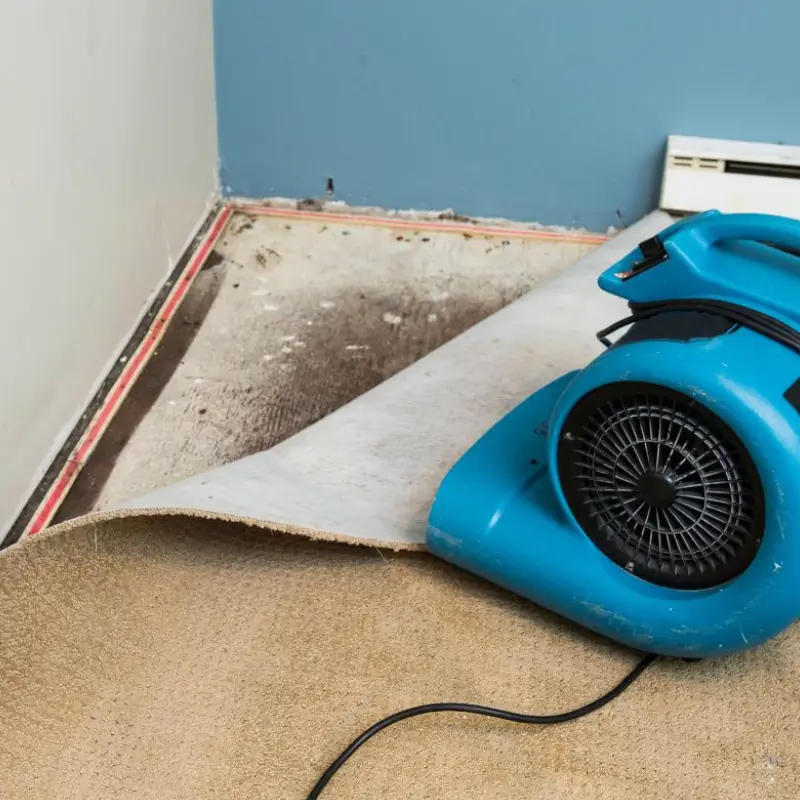
Why Sewage Backup Cleanup Requires Special Care
Sewage-contaminated water creates additional risks beyond the moisture damage associated with a clean-water leak.
Potential concerns include:
- Exposure to bacteria, viruses, and other contaminants
- Contaminated carpets, drywall, insulation, and furnishings
- Moisture damage to walls, flooring, and structural materials
- Persistent odors and unsanitary conditions
- Secondary mold growth when moisture remains trapped
Some porous materials exposed to sewage cannot be adequately cleaned and may require removal and replacement.
After a sewage-related water event, moisture control is also important. Read more about how professionals remove mold in Cleveland.
What Does Professional Sewage Backup Cleanup Involve?
The exact cleanup process depends on the source of the sewage, the area affected, and the materials involved.
1. Safety Assessment and Containment
The affected area is evaluated for electrical hazards, contamination, and potential exposure risks. Access may need to be restricted while cleanup is planned.
2. Contaminated Water Removal
Appropriate professional equipment and protective procedures are used to remove sewage-contaminated water when conditions allow.
3. Removal of Unsalvageable Materials
Certain water-damaged or sewage-contaminated materials may need to be removed. The decision depends on the type of material, the degree of contamination, and applicable restoration practices.
4. Cleaning and Sanitization
Affected surfaces that can be retained require appropriate cleaning and treatment based on their material and level of contamination.
5. Structural Drying
Once contamination has been addressed, drying equipment and moisture monitoring may be used to reduce residual moisture in affected building materials.
6. Restoration Planning
After cleanup and drying, the remaining work may include repairs or replacement of damaged flooring, drywall, insulation, and other building materials.
Voda’s Cleveland–Mentor water restoration team can help evaluate water damage and explain the next steps for your property.
What to Do Immediately After a Sewage Backup
If sewage begins entering your home or business, safety should be your first priority.
- Keep people and pets away from the contaminated area.
- Avoid walking through sewage or touching contaminated materials.
- Stop using toilets, sinks, showers, and appliances connected to the affected drainage system.
- Do not operate electrical equipment in flooded areas.
- Contact a qualified plumber or sewer professional to address the cause of the backup.
- Photograph visible damage from a safe location.
- Contact a qualified restoration provider for a contamination assessment and cleanup plan.
Do not use ordinary household vacuums or fans to spread or remove sewage-contaminated water.
If your basement contains water that is not sewage-contaminated, visit our flooded basement cleanup page for information about emergency water extraction and drying.
Basement Sewage Backup Cleanup in Cleveland, OH
Basements are particularly vulnerable to sewer backups because floor drains and plumbing fixtures are often located below the rest of the home.
A backup may first appear as water rising through a basement floor drain, overflowing from a basement toilet, or pooling around a laundry area.
Even after a plumber clears the blockage, contaminated water and moisture may remain inside the building.
Professional cleanup helps determine which materials can be restored, which need removal, and what additional drying or restoration work is required.
For more information about damage that remains after water extraction, read our guide to what to do after the water is gone from your home or office.
Sewage Backup Cleanup for Homes and Businesses
Sewer backups can affect residential properties, office buildings, retail spaces, and other commercial facilities.
Business owners may face additional challenges when contaminated water affects occupied rooms, inventory, equipment, or customer-facing spaces.
A professional restoration assessment can help identify affected materials, determine cleanup requirements, and establish the steps needed before the space returns to normal use.
Learn more about Voda Cleaning & Restoration of Cleveland–Mentor and our local cleaning and restoration services.
Serving Cleveland, Mentor, and Surrounding Communities
Voda Cleaning & Restoration serves the Cleveland–Mentor area with emergency water damage restoration and related services.
Our local service area covers Cleveland, Mentor, and surrounding communities throughout Northeast Ohio.
Visit our Cleveland–Mentor service area directory to explore the locations we serve.
FAQ
Frequently Asked Questions About Sewage Backup Cleanup
Get answers about sewage safety, cleanup, mold risk, and insurance coverage.
Yes. Sewage may contain disease-causing microorganisms and other contaminants. Avoid direct contact and keep children and pets away from affected areas.
Small incidents and major sewer backups present different levels of risk. When sewage affects building materials, spreads across rooms, or creates electrical hazards, professional assessment and cleanup are strongly recommended.
Yes. Sewage backups introduce moisture into walls, floors, and other materials. If residual moisture remains, mold can develop. Proper contamination cleanup and structural drying are important parts of recovery.
Sewer backup coverage varies by policy. Some homeowners insurance policies require a separate water backup endorsement. Review your policy or contact your insurance representative to determine what coverage applies.
The duration depends on the extent of contamination, affected materials, moisture conditions, and necessary restoration work. A professional inspection is needed to establish an appropriate timeline.
Stay away from contaminated water, avoid using affected plumbing fixtures, and contact a qualified sewer professional. Arrange for a restoration assessment to identify the extent of contamination and water damage.
Get Emergency Sewage Backup Assistance in Cleveland, OH. Sewage backups require prompt attention. Voda provides 24/7 emergency water damage assistance throughout the Cleveland–Mentor area.
