Emergency Water Damage Restoration in Portland, OR Case Study
Project Overview
A property owner in Portland, Oregon contacted Voda Cleaning & Restoration of Portland after a water heater failure caused water intrusion into the downstairs living area of a tenant-occupied home on Christmas Eve, requiring a rapid same-day emergency response and clear communication with both the property owner and tenants throughout the mitigation process. The mitigation and drying process was completed over the course of seven days.
Over the next seven days, we executed a full mitigation plan that involved containment, demolition and removal of contaminated materials, moisture monitoring, and structural drying.
Portland, OR
Residential Rental Property
Emergency response initiated following active water loss.
Failure of a residential water heater resulting in Category 3 water intrusion.
Voda Cleaning & Restoration of Portland
On-Site Inspection
Initial Assessment and Site Conditions
Upon arrival, technicians Ben and Diego performed a detailed inspection of the affected areas to determine the extent of water migration and identify impacted building materials. Water originating from the failed water heater had spread from the utility closet into the downstairs living space, affecting multiple structural and finish materials throughout the area.
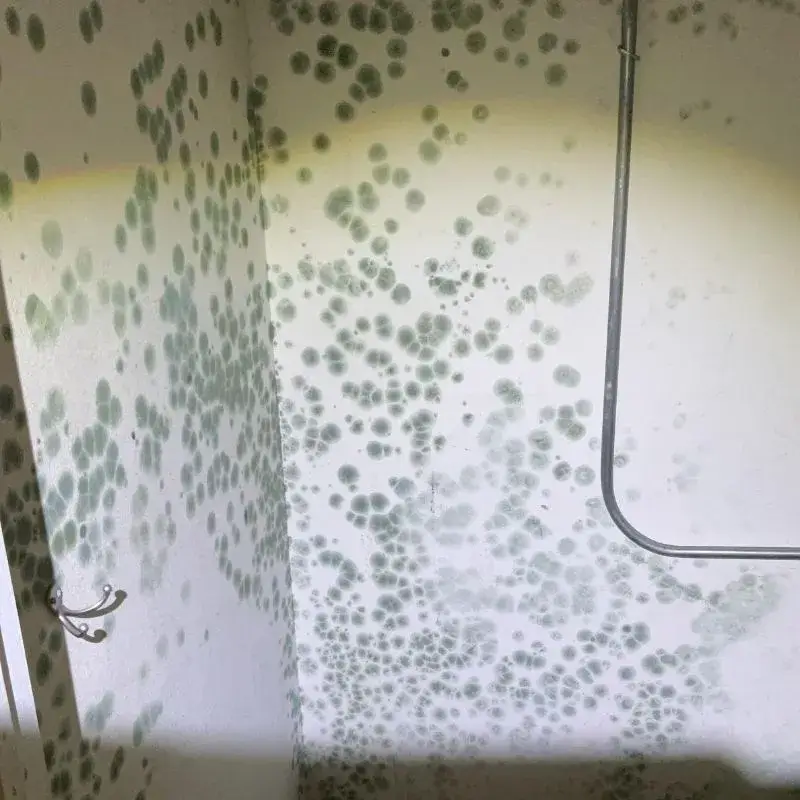
During the inspection, visible microbial growth was identified within the utility closet where the leak originated. The immediate concern was the microbial growth already visible in the utility closet. Because the water source was contaminated, this entire event was classified as a Category 3 loss. For Portland homes, with our damp climate, any delay in addressing a Category 3 event can lead to aggressive mold colonization. This classification dictated our entire protocol, requiring full containment, advanced air filtration, and mandatory Personal Protective Equipment (PPE) for our crew.
Moisture readings confirmed elevated moisture levels within the carpeting, carpet pad, subfloor, drywall, baseboards, wall cavities, and portions of the ceiling assembly surrounding the affected areas. The extent of material saturation required both structural drying and selective demolition of non-salvageable materials to allow proper drying access.
Technicians at the Property
Ben
Ben is IICRC Certified holding certifications as both a Water Damage Restoration Technician (WRT) and an Applied Microbial Remediation Technician (AMRT). His AMRT training was critical for establishing the containment and safety protocols necessary for this Category 3 project.
Diego
Diego is an IICRC Certified Technician holding certifications as both a Water Damage Restoration Technician (WRT) and an Applied Microbial Remediation Technician (AMRT). His role was vital in setting up and managing the HEPA air scrubbers to control airborne particulates during demolition.
Equipment & Technology Used
Specialized Tools and Restoration Equipment Used During the Job
Commercial Air Movers
A total of eight professional air movers were strategically positioned throughout the affected areas to create high-velocity airflow across wet structural materials. Continuous airflow accelerates evaporation and supports the drying of flooring systems, wall assemblies, and subfloor materials.
Commercial Dehumidifiers
Two commercial dehumidifiers were installed to control humidity levels and remove moisture from the indoor environment during the structural drying phase. Maintaining proper humidity control is essential during mitigation to support efficient drying and reduce the potential for secondary moisture-related damage.
HEPA Air Scrubbers
HEPA-filtered air scrubbers were utilized during demolition and drying activities to help capture airborne particulates generated throughout the mitigation process. Air filtration was particularly important due to the Category 3 conditions associated with the source area contamination.
Moisture Detection Equipment
Professional moisture sensors and monitoring equipment were used throughout the seven-day drying process to track moisture levels within affected materials and confirm drying progress before mitigation was considered complete.
HEPA Vacuum
A HEPA-filtered vacuum was used during demolition and cleanup activities to capture fine particulate matter and debris from affected surfaces. HEPA filtration helps reduce the spread of airborne contaminants during Category 3 mitigation work and supports cleaner job site conditions throughout the restoration process.
Extraction Wand
The extraction wand was used to remove standing water and excess moisture from affected flooring materials during the initial mitigation phase. Water extraction is a critical first step in limiting moisture migration and accelerating the overall drying process.
Electric Sprayer
An electric sprayer was utilized to apply cleaning agents and treatment solutions to affected surfaces during mitigation and cleanup operations. Controlled application helps ensure even coverage while minimizing over-application of moisture to already impacted materials.
Multi-Tool
A professional oscillating multi-tool was used during controlled demolition activities to precisely remove damaged drywall, trim, and other affected materials while minimizing unnecessary disturbance to surrounding structural components.
Crowbar
Crowbars and pry tools were used to safely remove water-damaged building materials, including baseboards, flooring components, and sections of drywall during the demolition phase of the project.
Drill
Drills were used to assist with equipment setup, access creation, and controlled removal of affected materials during the mitigation and drying process.
Sanding Block
Sanding blocks were used during detailed cleaning and surface preparation activities where minor surface irregularities or residual material needed to be addressed following demolition and cleanup procedures.
Personal Protective Equipment (PPE)
Technicians utilized appropriate personal protective equipment throughout the Category 3 mitigation process due to contamination concerns associated with the source area. PPE used during the project included protective gloves, respirators, eye protection, and disposable protective coverings to help support technician safety and controlled work practices.
Our Process
The Seven-Day Mitigation and Drying Protocol
Because the property was tenant-occupied, maintaining communication between both the tenants and property owner was an important component of the project. The mitigation team worked carefully to explain the restoration process, anticipated timelines, and required safety measures to help reduce stress and keep the project moving efficiently during the holiday period.
Emergency Response and Site Stabilization
The Voda Cleaning & Restoration of Portland team responded the same day the loss was reported. Upon arrival, technicians assessed the affected areas, documented site conditions, and established a mitigation strategy based on the contaminated conditions observed within the water heater closet.
Initial stabilization efforts focused on limiting further moisture migration and preparing the work area for controlled demolition and structural drying.
Containment Setup and Environmental Controls
Due to the presence of microbial growth near the source of the leak, containment barriers were established around impacted sections of the property prior to demolition activities. HEPA air scrubbers were installed to help reduce airborne particulate movement during mitigation operations.
Technicians utilized PPE throughout the project and followed controlled work practices designed to reduce cross-contamination between affected and unaffected portions of the home.
Removal of Impacted Materials
After containment was established, the team removed non-salvageable materials that had sustained significant water exposure or contamination concerns. Removed materials included carpeting, carpet pad, subflooring, and sections of drywall.
Selective demolition allowed technicians to expose wet structural components and improve airflow access for the drying process.
Structural Drying and Moisture Monitoring
Following demolition and extraction activities, the drying phase began using eight air movers and two dehumidifiers strategically placed throughout the affected areas. Equipment remained in place for seven days while technicians monitored drying progress using professional moisture detection equipment.
Daily moisture readings were taken to evaluate drying conditions and confirm that structural materials continued progressing toward acceptable moisture standards.
Final Drying Verification and Project Completion
Once moisture readings confirmed the affected structural materials had reached dry standard, mitigation equipment was removed and the project was prepared for reconstruction and repair work.
Throughout the process, the team maintained communication with both the tenants and property owner to help ensure expectations, timelines, and mitigation procedures were clearly understood from start to finish.
Customer Feedback
What James from Portland Said About Our Water Damage Restoration Service
|
||||||||
Project Images
Post-Mitigation Structural Drying and Material Removal Documentation
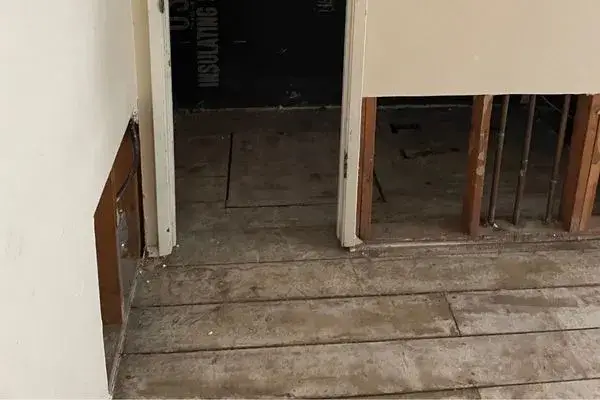
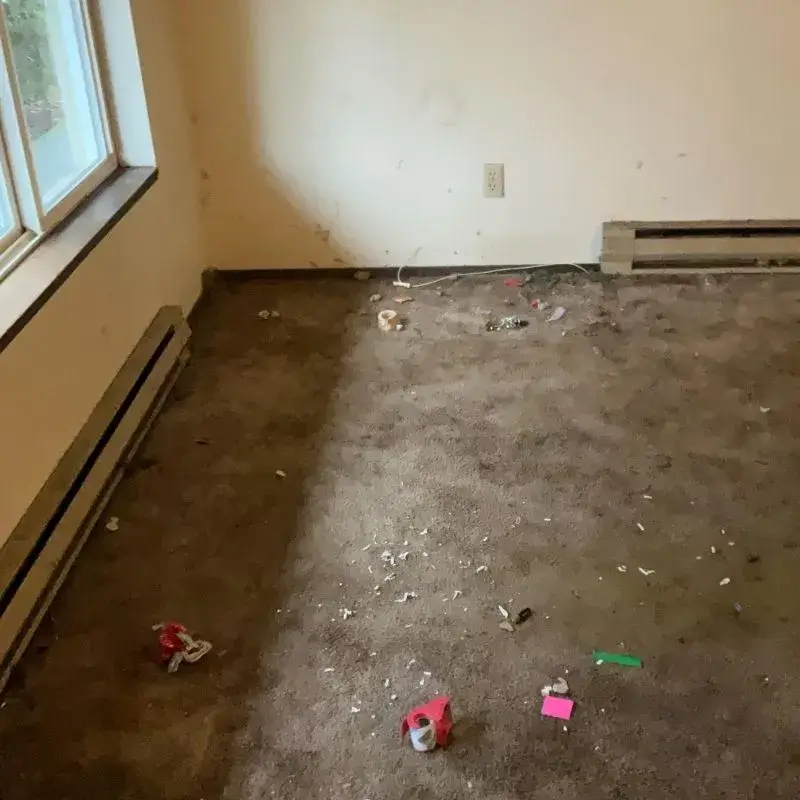
The project images document multiple phases of the mitigation and drying process following the Category 3 water loss. Visible demolition areas show the removal of non-salvageable materials, including sections of carpeting, carpet pad, drywall, and subflooring that sustained significant moisture exposure.
Additional images capture the deployment of commercial drying equipment throughout the affected living areas, including strategically placed air movers, dehumidifiers, and HEPA air filtration devices used during the seven-day structural drying process. The documented drying setup demonstrates the controlled airflow and humidity management required to properly dry structural materials after a significant water intrusion event.
Final project conditions reflect a stabilized and properly dried environment prepared for reconstruction and repair work following completion of mitigation activities.
Results & Outcome
Water Damage Restoration Results in Portland, OR
Category 3 Water Damage Successfully Mitigated
The mitigation team quickly stabilized the affected areas following the water heater failure and implemented appropriate containment and environmental controls due to the contaminated conditions associated with the source area.
Safe Removal of Contaminated Materials
Water-damaged and non-salvageable materials were safely removed under controlled conditions, allowing the mitigation team to address contaminated areas and prepare the structure for proper drying.
Successful Structural Drying Over Seven Days
Commercial drying equipment remained in operation for seven days while technicians monitored moisture levels throughout the affected structural materials. Moisture readings were used to verify drying progress and confirm acceptable drying conditions prior to project completion.
Reduced Stress Through Communication and Coordination
The project involved coordination between both tenants and the property owner during a holiday emergency situation. By clearly explaining the mitigation process and maintaining communication throughout the project, the team helped alleviate uncertainty and reduce stress for all parties involved.
Project Completion & Client Satisfaction
Following mitigation and drying operations, the property was left stabilized, dry, and prepared for the next phase of repairs and reconstruction. The customer later provided a 5-star review highlighting the team’s responsiveness, professionalism, and support throughout the project.
Project Cost
Cost Breakdown & Documentation
$158.75
$1,637.72
$36.59
$4,202.43
$6,035.49
We’re here 24/7 to respond quickly and restore your property.