


If a pipe bursts in your San Antonio property, shut off the main water supply if it is safe to do so, contact a plumber to repair the damaged pipe, and arrange professional water damage restoration to address the water that has already spread. Water can quickly soak into drywall, flooring, insulation, and other building materials, including areas you may not be able to see. Prompt water extraction and structural drying can help limit further damage and reduce the risk of mold growth caused by lingering moisture.
What Should You Do When a Pipe Bursts?
If a pipe breaks inside your home or business, taking a few immediate steps can help reduce additional damage. Your safety should come first, especially if water has reached electrical equipment or affected the building’s structure.
- Shut off the water supply. Locate your property’s main water shutoff valve and turn it off to stop additional water from entering the damaged plumbing. If you cannot locate the valve or safely access it, contact your water provider or a licensed plumber for assistance.
- Avoid electrical hazards. Do not enter standing water if electrical outlets, appliances, wiring, or other electrical equipment may be affected. If it is safe to do so, shut off power to the affected area. Otherwise, stay clear and contact a qualified professional.
- Contact a plumber. A licensed plumber can locate the damaged section, determine what caused the failure, and repair or replace the affected pipe. Stopping the water and repairing the plumbing are essential, but they do not address moisture that has already entered the building materials.
- Move belongings away from the affected area. If it is safe, relocate furniture, electronics, rugs, and other personal belongings to a dry location. Avoid moving heavy or waterlogged items if doing so could cause injury or additional damage.
- Arrange professional water damage restoration. Contact a restoration company to assess the affected areas, remove standing water, and determine what materials need to be dried or removed. Do not assume that the damage is limited to the surfaces where water is visible.
What Causes Pipes to Burst?
Pipes can rupture for several reasons, including corrosion, excessive water pressure, physical damage, aging plumbing, and freezing temperatures. Some failures happen suddenly, while others develop over time as pipes and connections deteriorate.
Common causes include:
- Corrosion and aging: Older plumbing can weaken as materials deteriorate. Corrosion, worn connections, and weakened joints may eventually cause pipes to crack or split.
- Excessive water pressure: Consistently high water pressure puts additional strain on pipes, fittings, and connections, potentially contributing to leaks or ruptures.
- Freezing temperatures: When water freezes inside a pipe, it expands and increases pressure within the plumbing system, potentially causing the pipe to crack or rupture. Although San Antonio winters are generally mild, occasional cold snaps can put exposed plumbing at risk, especially pipes in garages, attics, exterior walls, and other poorly insulated areas.
- Shifting or physical damage: Building movement, accidental impacts, renovations, or improperly supported plumbing can damage pipes and their connections.
- Faulty installation or connections: Poorly secured fittings, defective materials, and improper installation can create weak points that eventually fail.
Regardless of what causes a pipe to fail, the amount of water released and how quickly the leak is discovered can make a significant difference in the extent of the damage. A small rupture can affect more than the area immediately surrounding the pipe, particularly when water escapes inside walls, ceilings, or beneath flooring.
Where Can Burst Pipe Water Damage Occur?
The location of a broken pipe often determines how water spreads through your property. A leak beneath a kitchen sink may be relatively easy to notice, while a rupture inside a wall or above a ceiling can continue releasing water before visible signs appear.
Some of the most common areas affected include:
- Walls and ceilings: Pipes running through wall cavities, ceilings, and attic spaces can release water into insulation, framing, and drywall. You may notice discoloration, bubbling paint, sagging drywall, or water dripping from ceiling fixtures.
- Flooring and subfloors: Water can spread beneath hardwood, laminate, carpet, and other flooring materials. Even when the surface appears relatively dry, moisture may remain trapped underneath.
- Cabinets and built-ins: Plumbing beneath kitchen and bathroom sinks can damage cabinet bases, shelving, countertops, and nearby flooring.
- Adjacent rooms: Water does not necessarily stay near the broken pipe. It can travel along framing, through ceiling assemblies, and beneath flooring into connected spaces.
- Insulation and structural materials: When water reaches insulation or other concealed building components, drying may require access to areas that are not immediately visible.
Water can travel well beyond the location of the broken pipe, depending on where the plumbing is located and how the building is constructed. A rupture in an attic or ceiling can allow water to soak through insulation, drywall, and ceiling materials before reaching the rooms below. Pipes inside walls can release moisture into wall cavities, framing, and adjoining rooms, while leaks beneath sinks or appliances can spread into cabinets, flooring, and subfloors. In multi-story buildings, water may also move between floors, affecting ceilings and other finished surfaces below the original leak. This is why the visible water damage may represent only part of the affected area.
How Is Water Damage From a Burst Pipe Restored?
Restoring a property after a pipe bursts involves more than repairing the plumbing or removing water from the floor. Moisture can penetrate porous materials and move into concealed spaces, so the restoration process needs to address the full extent of the affected area.
1. Inspecting the affected areas. Restoration begins with an assessment of where water has traveled. Technicians evaluate visible damage and use appropriate moisture detection equipment to identify damp materials behind walls, beneath flooring, and in other concealed spaces.
2. Removing standing water. If water has accumulated on floors or other surfaces, extraction equipment is used to remove it. Removing excess water helps prepare the affected areas for the drying process.
3. Evaluating damaged materials. Not every water-damaged material needs to be removed. Depending on how long it has been wet, the extent of saturation, and its condition, some materials may be dried in place. Saturated insulation, severely damaged drywall, and materials that cannot be effectively restored may require removal.
4. Drying the structure. Air movers and commercial dehumidifiers help remove moisture from affected building materials and the surrounding air. Drying equipment is positioned based on the layout of the affected areas and the materials involved. Moisture readings help technicians monitor conditions and evaluate drying progress.
5. Monitoring moisture levels. A surface can feel dry while moisture remains deeper inside the material. Follow-up measurements help determine whether affected areas have reached appropriate drying conditions and whether additional attention is needed.
6. Determining additional restoration needs. Once mitigation and drying are addressed, the remaining work depends on the damage. This may include repairs to drywall, flooring, insulation, cabinetry, or other affected components.
The amount of restoration required depends on the location of the pipe, how much water escaped, how long it went unnoticed, and which materials were affected.
Can Burst Pipe Water Damage Lead to Mold?
Yes. Moisture left inside building materials can create conditions that support mold growth, particularly when affected areas remain damp for an extended period. Drywall, wood, insulation, carpeting, and other porous materials can retain moisture even after standing water has been removed.
A burst pipe inside a wall or ceiling can be especially concerning because the affected area may not be visible. You might notice a musty odor, discoloration, bubbling paint, or changes in flooring before realizing how far the moisture has traveled.
Prompt water extraction and thorough structural drying help address the moisture that can contribute to mold growth. If mold is already present, additional assessment and remediation may be necessary.
How Can You Prevent Pipes From Bursting?
Although not every plumbing failure can be prevented, routine maintenance and preparation can reduce the risk of a pipe rupture.
- Insulate exposed plumbing. Pay particular attention to pipes in garages, attics, exterior walls, and other areas that may become cold during winter weather.
- Protect outdoor faucets and backflow devices. Disconnect garden hoses and use appropriate insulated covers on exposed fixtures.
- Know where your main shutoff valve is located. Being able to stop the water quickly can make a significant difference if a pipe breaks.
- Watch for signs of plumbing deterioration. Corrosion, recurring leaks, water stains, and unexplained changes in water pressure may indicate a developing problem.
- Pay attention to unusual water usage. An unexpected increase in water consumption on your water bill may indicate a leak somewhere in the plumbing system. The San Antonio Water System (SAWS) and other smaller water providers also send alerts when they detect unusually high usage. If you receive one, don’t ignore it. Investigate the increase, even if you haven’t noticed any visible leaks or water damage.
- Prepare before freezing weather. Follow local guidance for protecting pipes, maintaining indoor temperatures, and allowing warmer air to circulate around plumbing in cabinets. San Antonio’s occasional winter freezes make preparation worthwhile, even though extended freezing conditions are not typical.
Why Choose Voda Cleaning & Restoration of Greater San Antonio?
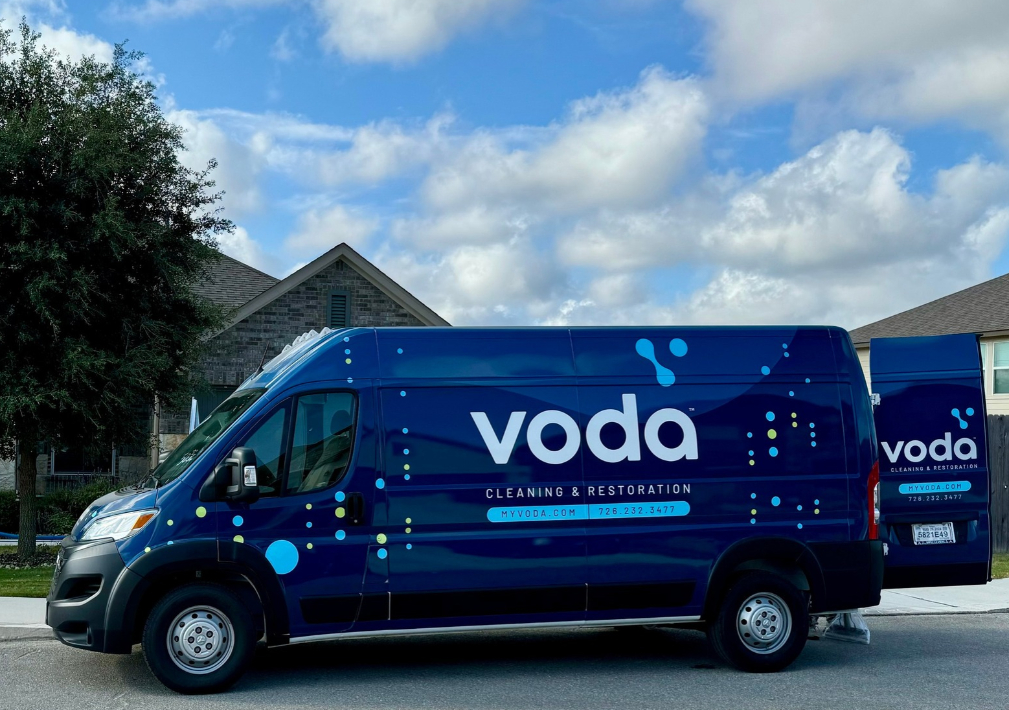
When a pipe bursts, the plumbing repair is only one part of getting your property back to normal. Voda Cleaning & Restoration of Greater San Antonio helps homeowners, businesses, and property managers address the resulting water damage through water removal and structural drying. Our team evaluates affected areas, identifies moisture that may not be immediately visible, and determines the appropriate mitigation steps based on the conditions at your property.
Voda Cleaning & Restoration of Greater San Antonio is backed by 163 five-star Google reviews. Customers have praised our team’s prompt response to water damage, professionalism, and clear communication throughout the restoration process. Feedback also highlights our experience handling both residential plumbing leaks and commercial water damage, along with the care we take to explain the work and find practical solutions. We understand how disruptive a burst pipe can be and work with property owners and managers to discuss the restoration steps needed to return affected spaces to usable condition.
Frequently Asked Questions
Can a pipe burst even when the weather is not freezing?
Yes. Freezing temperatures are only one cause of burst pipes. Aging plumbing, corrosion, excessive water pressure, damaged connections, and shifting building materials can also cause pipes to rupture. A pipe may fail without any warning, even during warmer months.
How do I know if a pipe has burst inside a wall?
Signs of a burst pipe inside a wall may include water stains, bubbling or peeling paint, soft drywall, musty odors, or unexplained dampness. You might also hear running water when no fixtures are in use or notice an unexpected drop in water pressure. If you suspect a concealed plumbing leak, have the plumbing inspected rather than waiting for visible damage to become more extensive.
Can a burst pipe cause water damage in multiple rooms?
Yes. Water can travel through wall cavities, ceiling assemblies, and beneath flooring before reaching another room. A pipe that breaks in an attic or upper-level wall may affect several areas below it, depending on the building’s layout and how long water continues to escape.
Does a plumber handle all the damage after a pipe bursts?
No. A plumber repairs the damaged pipe and addresses the plumbing failure, while a water damage restoration company addresses the moisture and damage left behind. Restoration may involve water extraction, moisture detection, structural drying, and removal of materials that cannot be effectively restored.
Do I need to remove drywall after a pipe bursts?
Not necessarily. Whether drywall needs to be removed depends on how much water it absorbed, how long it remained wet, and whether it can be dried effectively. A moisture assessment helps determine whether drying in place is appropriate or whether removal is necessary.
Does Voda Cleaning & Restoration of Greater San Antonio handle commercial water damage?
Yes. Voda Cleaning & Restoration of Greater San Antonio provides water damage restoration for commercial properties, including offices, retail spaces, and other business facilities. We can work with property owners and managers to discuss the restoration steps needed to return affected spaces to usable condition.

More Blogs



Categories