

Table of Contents
- 1. If Anyone Is in Immediate Danger
- 2. What To Do After a House Fire: Immediate Actions
- 2.1. 1) Make Sure Everyone Is Safe
- 2.2. 2) Do Not Re-Enter Until You Are Cleared
- 2.3. 3) Secure a Place To Stay Tonight
- 3. What To Do After a House Fire in the First 24 To 48 Hours
- 3.1. 1) Call Your Insurance Company and Start the Claim
- 3.2. 2) Document Everything Before Cleanup Begins
- 3.3. 3) Prevent More Damage To the Property
- 3.4. 4) Protect Valuables and Essential Documents If It Is Safe
- 4. Recovery Steps That Make Insurance Easier
- 4.1. Create a Basic Loss Inventory
- 4.2. Keep Receipts and Track Temporary Living Costs
- 4.3. Do Not Throw Items Away Without Guidance
- 5. When To Call Restoration Professionals
- 6. Common Mistakes That Create Bigger Problems
- 6.1. Rushing Into Cleanup
- 6.2. Assuming the Smell Will Fade on Its Own
- 6.3. Letting Aggressive Contractors Pressure You
- 6.4. Turning Utilities Back On Too Soon
- 7. What To Expect During Cleanup and Restoration
- 8. If the Loss Impacts a Business Property
- 9. A Simple Way To Move Forward Without Getting Overwhelmed
- 10. Proof and Reassurance When You Are Choosing Help
A house fire turns everything into decisions you have to make too fast. In Cleveland, the smartest first move is to slow down long enough to protect people, follow the fire department’s direction, and document what happened before anything is moved, cleaned, or repaired. This guide covers what to do after a house fire in the first hours, the first 24 to 48 hours, and the first week so you can avoid safety hazards, prevent secondary damage, and keep your insurance claim clean and defensible. If you need immediate support, start by getting oriented through the Cleveland restoration services hub so you have the right contacts ready before the situation escalates.
If Anyone Is in Immediate Danger
Call 911. If the fire is out, do not assume the home is safe to enter. Smoke residue, soot, water, electrical issues, and structural weakening can create hazards that are not obvious from the doorway.
What To Do After a House Fire: Immediate Actions
1) Make Sure Everyone Is Safe
Account for everyone, including pets. If anyone has breathing trouble, persistent coughing, dizziness, or chest tightness, seek medical care. When you are figuring out what to do after a house fire, health comes first, because smoke exposure is easy to minimize in the moment but can hit harder later, especially for kids, older adults, and anyone with asthma.
2) Do Not Re-Enter Until You Are Cleared
Wait for the fire department or officials to confirm the home is safe. Hidden embers, compromised flooring, and damaged wiring can cause secondary fires or sudden injuries. Even a quick trip inside for “just one thing” is how people get hurt after the fire is already “over.”
3) Secure a Place To Stay Tonight
If you cannot safely return, focus on shelter first. If you need emergency housing, contact local disaster relief resources. Once the immediate needs are handled, it helps to understand who you are dealing with, which is why many homeowners review who local teams are before authorizing any work, even in urgent situations.
What To Do After a House Fire in the First 24 To 48 Hours
Once you are safe and cleared to take next steps, your priorities are documentation and preventing additional damage.
1) Call Your Insurance Company and Start the Claim
Report the loss as soon as you can. Ask what they need right now, what approvals are required before work begins, and how they want you to handle emergency mitigation. If you are overwhelmed and trying to remember what to do after a house fire, write everything down, including the claim number, the adjuster’s name, and a short summary of every call.
2) Document Everything Before Cleanup Begins
Take wide photos of each room, then close-ups of major damage, appliances, HVAC equipment, cabinets, flooring, and soot-heavy areas. Short videos help too. If you are allowed inside briefly, move slowly and photograph first, because once items shift, it becomes harder to prove what was damaged and when.
3) Prevent More Damage To the Property
Fire damage often comes with broken windows, roof openings, and water damage from firefighting. If the home is exposed, board-up and tarping can prevent weather, theft, and animal intrusion from compounding the loss. This is one of the most overlooked parts of what to do after a house fire, because secondary damage can grow quickly after exposure, so it can help to review storm damage restoration options and then decide what is appropriate based on official clearance and insurer guidance.
4) Protect Valuables and Essential Documents If It Is Safe
If you are cleared to remove items, start with essentials: identification, insurance paperwork, medications, and devices needed for school or work. If something is coated in soot, do not rub it, dry wipe it, or try to “dust it off,” because soot can grind into finishes and create permanent staining.
Recovery Steps That Make Insurance Easier
Create a Basic Loss Inventory
Start a list of damaged items by room. You do not need perfection on day one. Focus on high-value items and essentials first, then fill in the rest as you can. Add brand names, approximate purchase dates, and estimated values when possible.
Keep Receipts and Track Temporary Living Costs
If you are displaced, keep receipts for hotels, meals, clothing, pet boarding, and mileage. Some policies include coverage for temporary living expenses, but documentation matters, and the rules vary by carrier and policy type.
Do Not Throw Items Away Without Guidance
It is tempting to start bagging everything immediately. For insurance purposes, damaged items can be part of the claim record. If something must be disposed of for health reasons, take clear photos first and keep a short note of what was discarded and why.
When To Call Restoration Professionals
Fire damage is rarely limited to what you can see. Smoke can travel through HVAC systems, insulation, wall cavities, and attic spaces. Water used to extinguish the fire can soak framing and drywall, increasing mold risk within days. A qualified team can assess the scope, contain soot migration, document conditions for the claim, and begin mitigation in a way that supports the rebuild rather than creating new problems. If you need a baseline for what to do after a house fire when professional help is needed, review fire and smoke restoration and use that as a checklist to compare any provider you consider, since clarity and documentation are as important as speed.
Common Mistakes That Create Bigger Problems
Rushing Into Cleanup
Soot is oily and abrasive. Dry wiping can scratch surfaces and spread residue. Household vacuums can push soot into the air and redistribute it through the house.
Assuming the Smell Will Fade on Its Own
Smoke odor embeds into porous materials like drywall, insulation, fabrics, and wood. If odor is not treated correctly, it can linger long after visible damage is repaired, which is why it helps to understand odor removal services once the structure is stable and the source materials are identified.
Letting Aggressive Contractors Pressure You
After a major incident, some contractors or adjusters may push you to sign immediately. Slow down, verify credentials, and choose a reputable local provider who will document the scope, explain the process, and coordinate appropriately with your insurer.
Turning Utilities Back On Too Soon
If electrical, gas, or water lines may be damaged, do not restart service until professionals confirm it is safe. Notify utility companies if you suspect any line damage.
What To Expect During Cleanup and Restoration
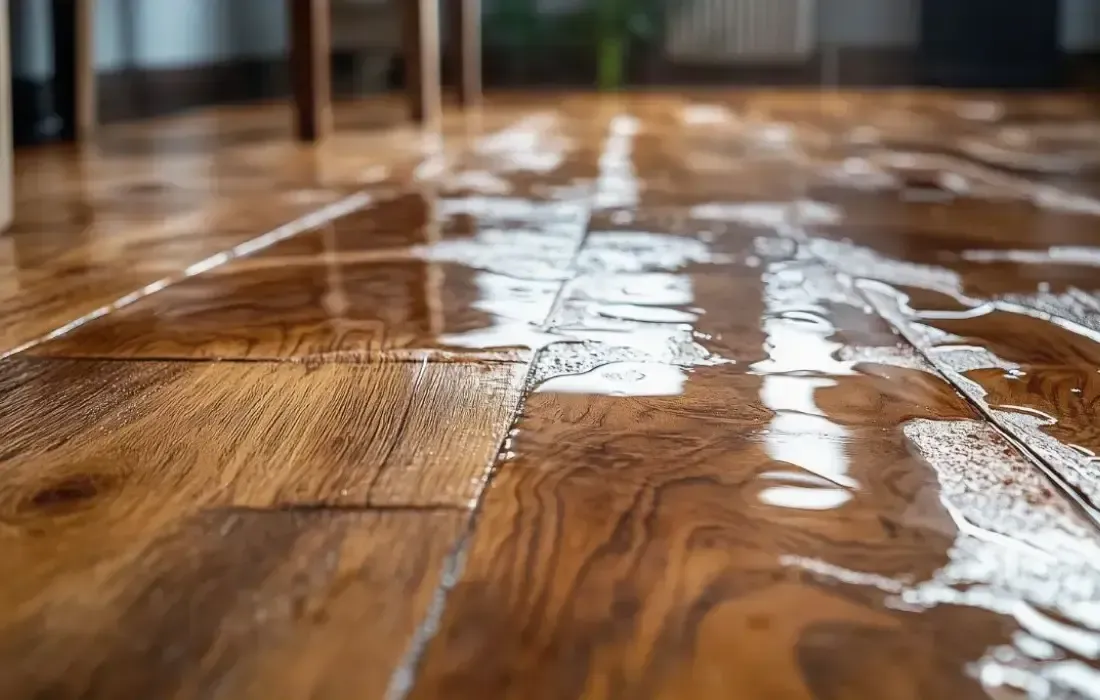
Fire and smoke cleanup is often a sequence: assessment, stabilization, debris handling, soot removal, odor control, and then repair coordination. The exact scope depends on the fire’s origin point, how smoke traveled, what water damage occurred, and what materials were affected. If water was used to extinguish the fire, drying and moisture control become urgent, because trapped moisture can create mold risk and structural deterioration. If you want to see what water mitigation typically includes, compare your situation against water damage restoration services and document any standing water, wet materials, or humidity-related issues for the claim.
If the Loss Impacts a Business Property
Commercial fire and smoke losses often involve additional constraints like occupancy rules, safety compliance, and downtime pressure. The cleanup process can also change depending on the space type, the presence of inventory, and whether odor or soot contamination affects customer areas. If the incident involves a workplace, reference commercial smoke damage restoration so you understand what commercial response may include, then coordinate decisions with building management and your insurance contact.
A Simple Way To Move Forward Without Getting Overwhelmed
If you are cleared to proceed and you need help, the cleanest approach is to schedule an assessment, get a documented scope, and keep your insurer looped in before major work begins. When you are ready, you can schedule a restoration appointment and use that visit to confirm safety concerns, understand timelines, and decide what should happen first based on the real conditions inside the home.
Proof and Reassurance When You Are Choosing Help
After a fire, it is normal to feel unsure about who to trust. Reviews and real project examples can help you sanity-check your decision, especially when you are stressed and sleep-deprived. Many homeowners look at recent customer reviews and compare that against the provider’s process clarity and documentation habits, since those usually predict how smooth the claim and cleanup will be. If you are still sorting out what to do after a house fire, choosing a team that documents thoroughly and communicates clearly can make the entire process easier.

More Blogs

What to Do After a House Fire in Cleveland, OH


Categories