Hardwood Water Damage Mitigation in Raleigh, NC Case Study
Project Overview
A homeowner in a residential neighborhood in Raleigh contacted Voda Cleaning & Restoration of Raleigh after a refrigerator water supply line leaked overnight, impacting the kitchen, a home office, and the garage. The water worked its way under the hardwood flooring, saturating the planks and the underlying subfloor assembly.
The project included emergency water mitigation, structural drying, moisture management, controlled demolition of non-salvageable flooring materials, and ongoing monitoring throughout the drying process.
Raleigh, NC
Residential Property
Emergency residential mitigation service
Overnight leak from a refrigerator water supply line resulting in water intrusion
Voda Cleaning & Restoration of Raleigh
On-Site Inspection
Initial Assessment and Site Conditions
Upon arrival, technicians Carrie Curtis and Andre Iglesias performed an inspection of the affected flooring areas to determine the extent of water migration and evaluate the condition of the wood flooring system. Homes in this part of Wake County often feature hardwood flooring installed over wood subfloors, a combination that can allow moisture to remain trapped beneath the surface if water intrusion occurs. The subfloor was confirmed to be wet beneath the hardwood flooring system. Targeted drying and tenting procedures were implemented from both above and below in an effort to salvage the flooring.
The affected wood flooring exhibited elevated moisture levels consistent with prolonged water exposure beneath the surface materials. Because hardwood flooring systems can trap moisture below the finish layer and within the subfloor assembly, the team initiated targeted structural drying procedures in an effort to salvage the flooring before removal became necessary.
Technicians at the Property
Carrie Curtis
- Water Mitigation Technician
- Trained in residential water mitigation and structural drying procedures
- Experienced in moisture management and controlled demolition practices
Andre Iglesias
- Water Mitigation Technician
- Trained in emergency water mitigation procedures
- Experienced in structural drying equipment setup and material removal operations
Equipment & Technology Used
Specialized Water Mitigation Equipment Used During the Project
Dehumidifiers
A total of four dehumidifiers were utilized during the drying process, including one XL Dri-Eaz dehumidifier and three Phoenix suitcase dehumidifiers. These units were used to control humidity levels and support structural drying across affected areas.
Air Movers
Eight air movers were used throughout the project, including five snail-style air movers and two axial air movers. These were strategically placed to promote airflow across hardwood flooring surfaces and beneath affected structural areas.
Axial Fans
Axial air movers were strategically positioned to create concentrated airflow across the affected flooring system and surrounding materials. Increased airflow helps promote evaporation and improve drying conditions throughout impacted structural components.
Power Saws
Professional power saws were utilized during controlled demolition activities to remove sections of non-salvageable flooring materials in the home after drying efforts over a 72-hour period determined portions of the hardwood flooring could not be successfully restored.
Crowbars
Crowbars and pry tools were used during selective demolition procedures to carefully lift and remove water-damaged flooring materials in a controlled manner. This allowed technicians to safely access wet materials beneath the finished floor surface for continued drying and evaluation.
Our Process
Multi-Surface Cleaning and Restoration Process
Initial Moisture Assessment
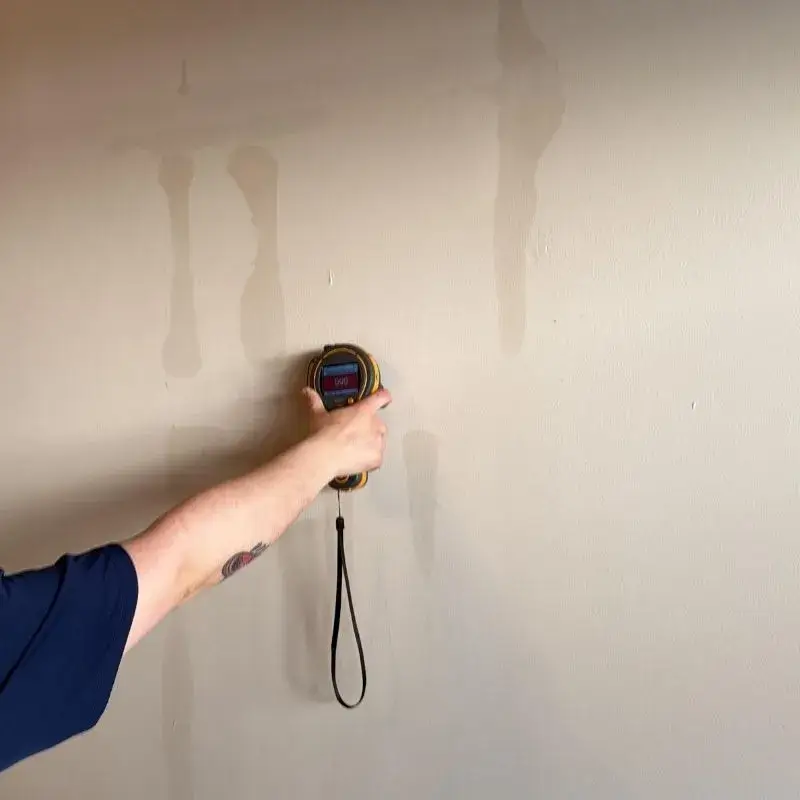
Technicians Carrie Curtis and Andre Iglesias inspected the affected hardwood flooring system to assess the extent of water migration caused by the refrigerator supply line leak. Moisture was found beneath the finished flooring and within the subfloor, resulting in elevated readings across multiple areas of the home. These initial findings confirmed that structural drying would be required to address both surface and subfloor moisture conditions.
Structural Drying Equipment Setup
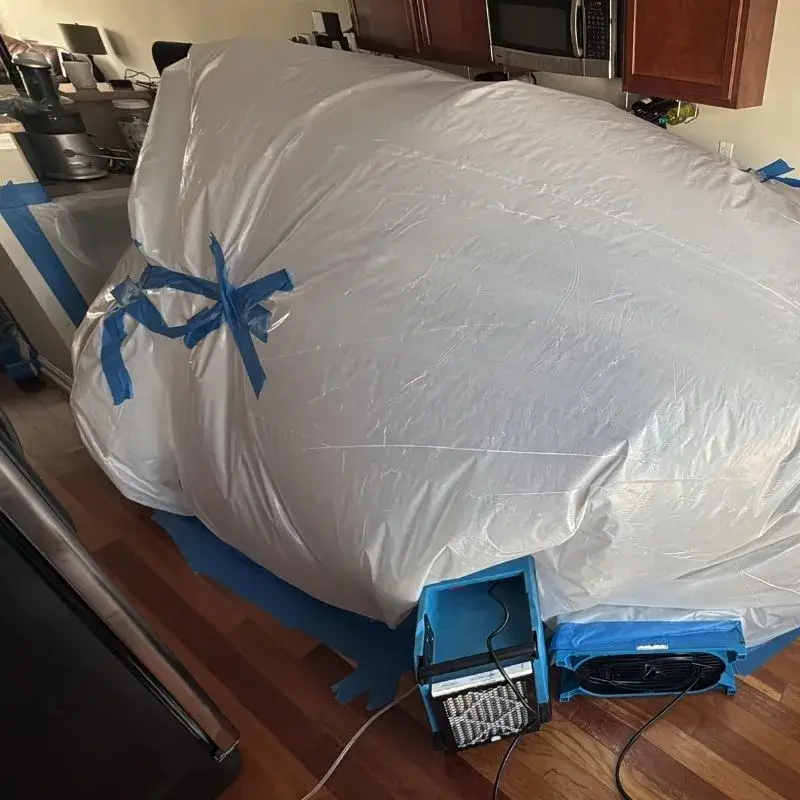
We deployed four dehumidifiers, including one XL Dri-Eaz unit and three portable Phoenix models, to increase vapor pressure differential and remove moisture from dense materials. Eight air movers were positioned to drive airflow across the flooring surface, while tenting was used to create a sealed chamber that concentrated airflow directly on the affected planks and forced air into gaps. This setup was designed to draw moisture from both the flooring and subfloor below, following psychrometric principles outlined in the IICRC S500 Standard.
Monitored Moisture
Levels
For 72 hours, the team monitored moisture levels throughout the drying process across the hardwood flooring and subfloor. Readings remained consistently high despite active drying efforts. Continued drying risked trapping moisture within the system and increasing the potential for microbial growth. After presenting the documented readings to the insurance carrier and receiving approval, the scope shifted from salvage efforts to controlled removal of the affected materials.
Controlled Flooring Removal
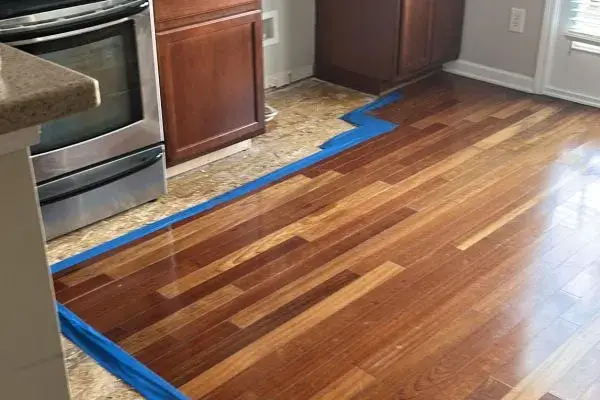
Following insurance approval, controlled demolition was performed in the office, kitchen, and garage areas. After determining portions of the flooring were not salvageable, technicians carefully removed affected wood flooring materials using power saws and pry tools to minimize disturbance to surrounding unaffected areas. This process exposed the wet subfloor to allow continued drying.
Final Drying and Project Completion
Following material removal, the remaining affected structural areas were dried using continued airflow and humidity control procedures until acceptable drying conditions were achieved. Once the affected areas reached dry standard, the mitigation phase of the project was completed and the property was prepared for future repair and reconstruction work.
Customer Feedback
What Marsalina from Raleigh Said About Our Our Water Damage Mitigation Services
|
||||||||
Project Images
Water Damage Mitigation and Flooring Removal Process
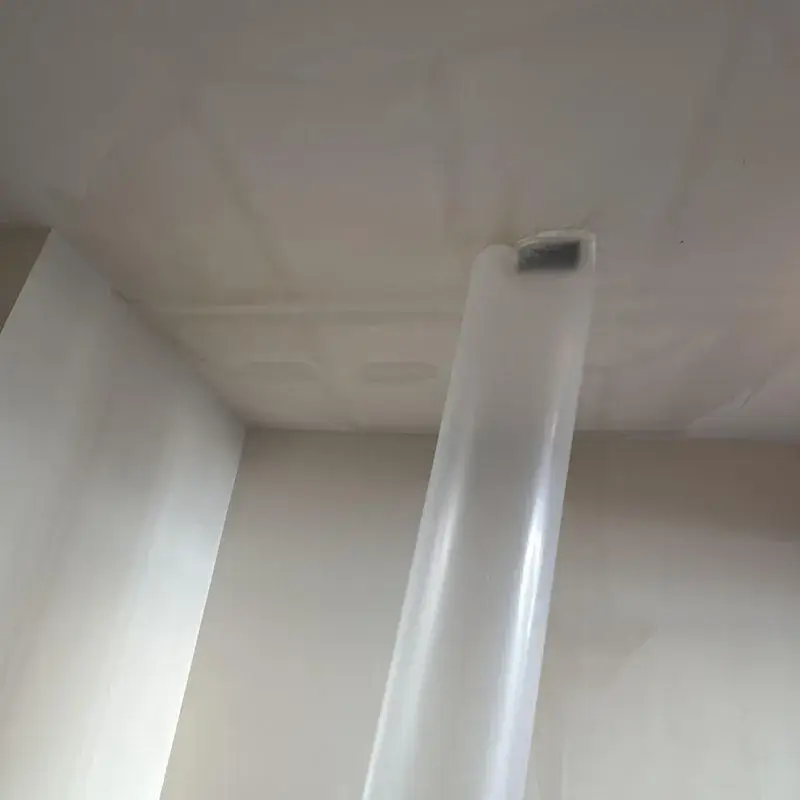
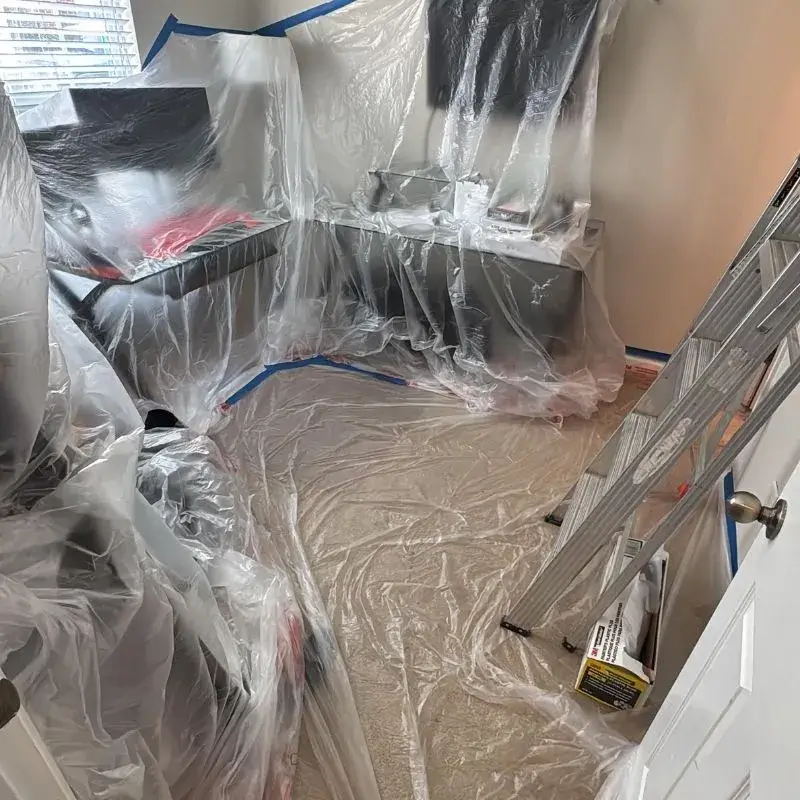
The project images document multiple stages of the water mitigation and structural drying process following the refrigerator water line leak in Raleigh, NC. Images captured throughout the project show drying equipment placement, flooring tenting procedures, and the controlled removal of affected wood flooring materials after portions of the flooring could not be successfully dried in place.
Additional images document the exposed structural areas following selective demolition, allowing technicians to continue targeted drying efforts beneath the finished flooring system. The documented mitigation process reflects the progression from initial salvage attempts through final material removal and structural drying completion.
Results & Outcome
Water Damage Mitigation Results in Raleigh, NC
Water Intrusion Contained and Stabilized
The refrigerator supply line leak was quickly stabilized, limiting moisture migration and preventing additional spread to unaffected areas of the home.
Flooring and Structural Impact Addressed
Wood flooring was evaluated for salvage, with targeted drying efforts applied where possible. Areas that could not be restored were selectively removed to allow full access to underlying structural materials.
Structural Drying Successfully Completed
The remaining affected areas were successfully dried through controlled airflow and humidity management over the course of the mitigation process.
Property Restored for Reconstruction
The home was returned to a dry, stable condition and prepared for the reconstruction phase, with all affected areas confirmed to be within acceptable moisture levels.
Project Cost
Cost Breakdown & Documentation
$205.00
$183.19
$287.72
$108.00
$426.56
$360.00
$58.50
$45.90
$5.00
$120.00
$5.00
$27.30
$150.86
$1,691.00
$1,696.00
We’re here 24/7 to respond quickly and restore your property.