
Professional Mold Remediation Service in Northwest Georgia with Over 10,000 5-Star Reviews
Mold remediation in Northwest Georgia is a process of identifying, containing, and removing active microbial growth while correcting the specific moisture conditions that fuel it. Our technicians, certified by the Institute of Inspection, Cleaning and Restoration Certification (IICRC), utilize industry-mandated containment protocols, HEPA air filtration systems, and thermal imaging for moisture mapping. This equipment allows for precise detection and thorough remediation.




Northwest Georgia Mold Remediation Focused on Addressing Mold at Its Source
Mold growth in Northwest Georgia homes is both a structural and environmental issue, commonly driven by crawlspace humidity imbalances, ground moisture vapor intrusion, plumbing leaks, water damage, poor attic or crawlspace ventilation, and flooding or storm-related saturation.
In this humid subtropical climate, where seasonal rainfall, sustained humidity, and crawlspace construction are common, moisture can accumulate quickly within building assemblies and create favorable conditions for mold growth behind walls, beneath flooring systems, and within insulation cavities. In many Northwest Georgia homes, moisture intrusion is further complicated by vapor migration through the region’s clay-rich soils and prolonged periods of elevated humidity.
Once established, mold spreads through airborne spores and colonizes porous building materials such as wood framing, subflooring, insulation, and drywall. Mold growth can begin developing within 24 to 48 hours when moisture is present, and contamination may spread beyond the originally affected area through natural airflow and HVAC system circulation. Over time, this can compromise structural materials while degrading indoor air quality throughout the home.
Our remediation process utilizes controlled containment, HEPA-grade air filtration, and targeted removal of contaminated materials, followed by moisture control recommendations designed to help reduce the risk of recurring growth. By addressing both active contamination and the conditions that allowed it to develop, we help protect building materials, improve indoor air quality, and restore healthier indoor environments.
Contact us today for a thorough mold inspection and structural moisture assessment. Mold can spread quickly, and delays often lead to greater structural damage, expanded contamination, and higher remediation costs.


Gallery
Check Out How We’ve Restored Properties After Mold Growth
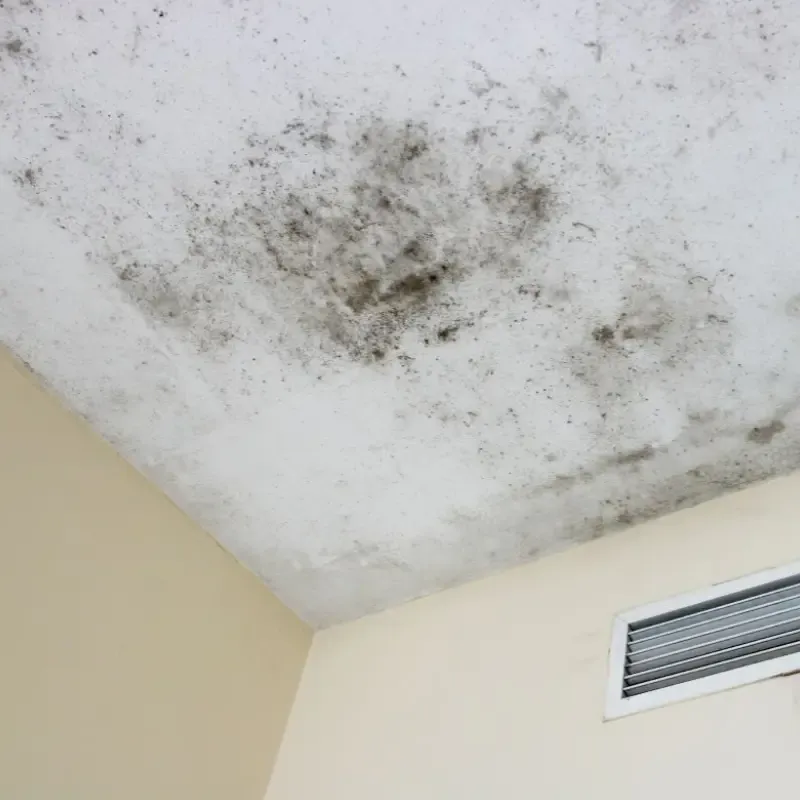
Take a look at some of our recent mold remediation projects. These images highlight how we’ve helped homeowners in Northwest Georgia address mold issues and restore their properties. See how our professionals ensure safe, effective mold removal.

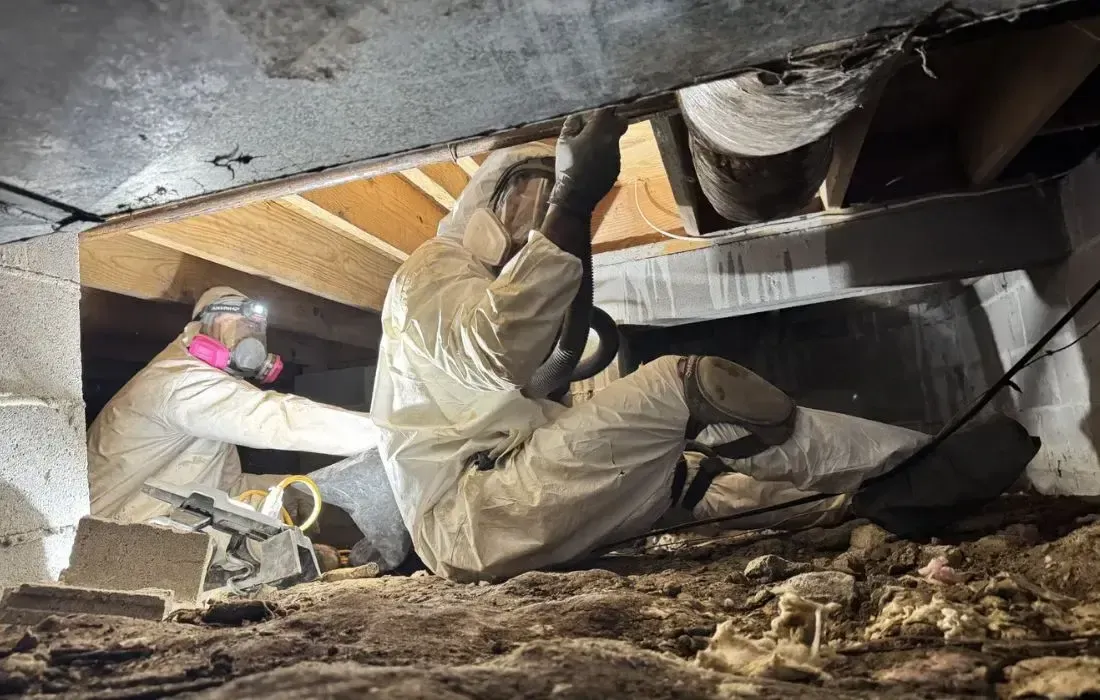
Crawl Space Mold Remediation and Moisture Control
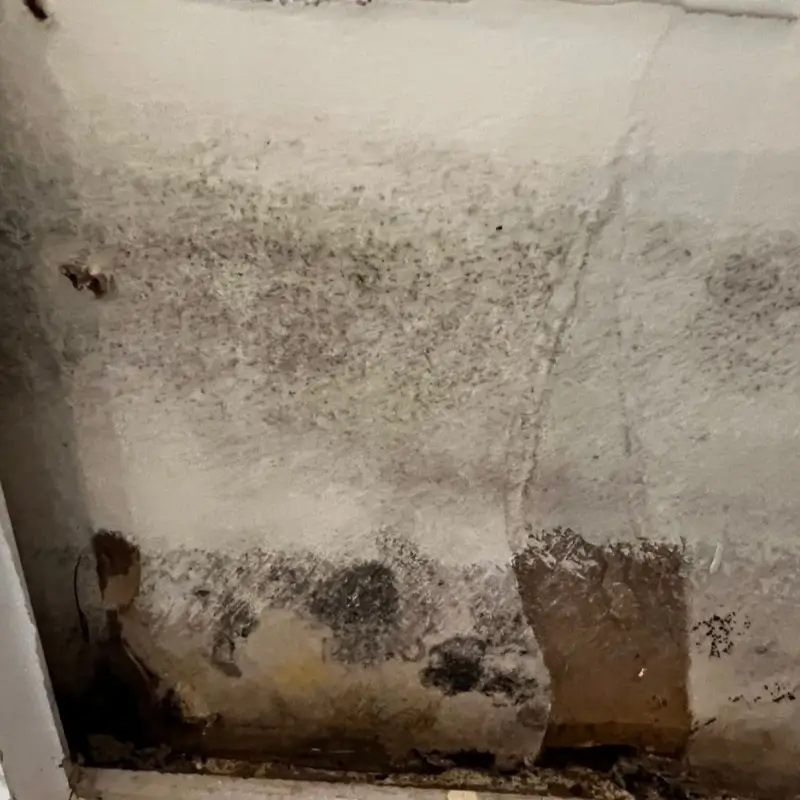
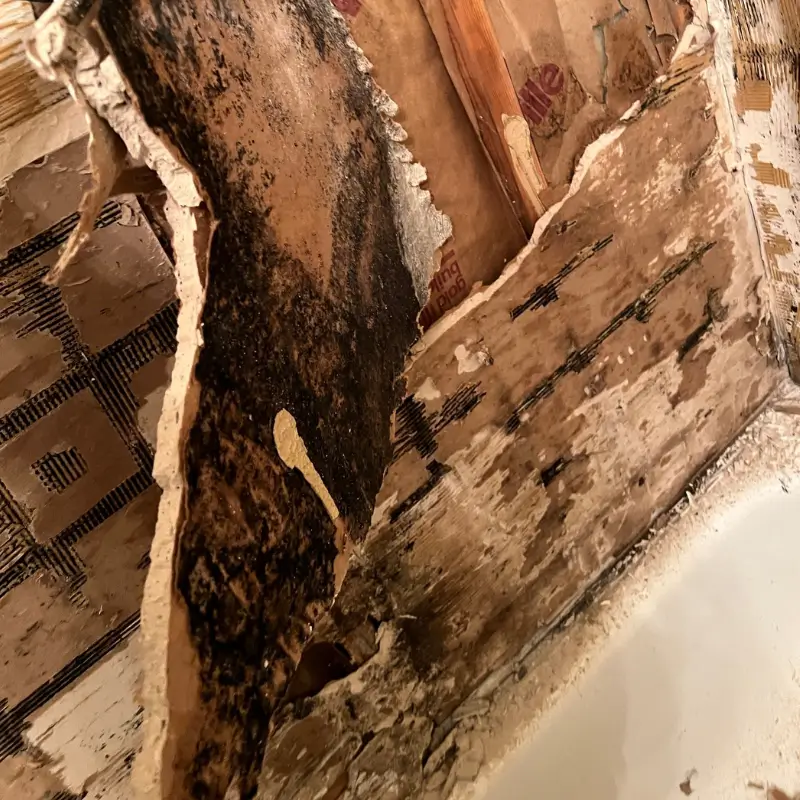
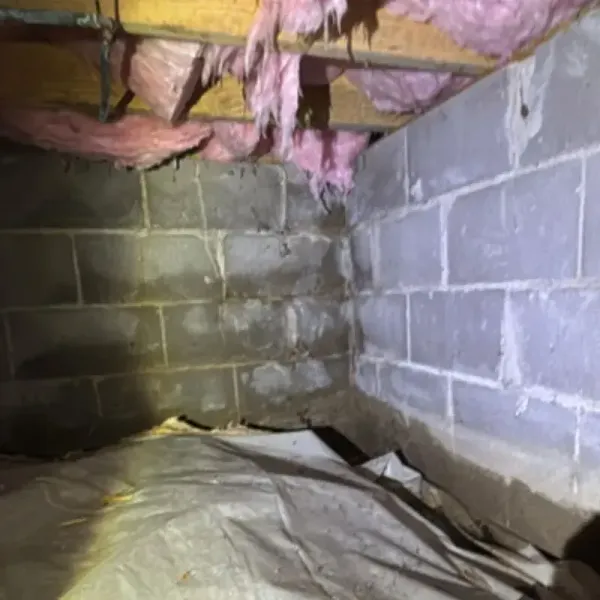
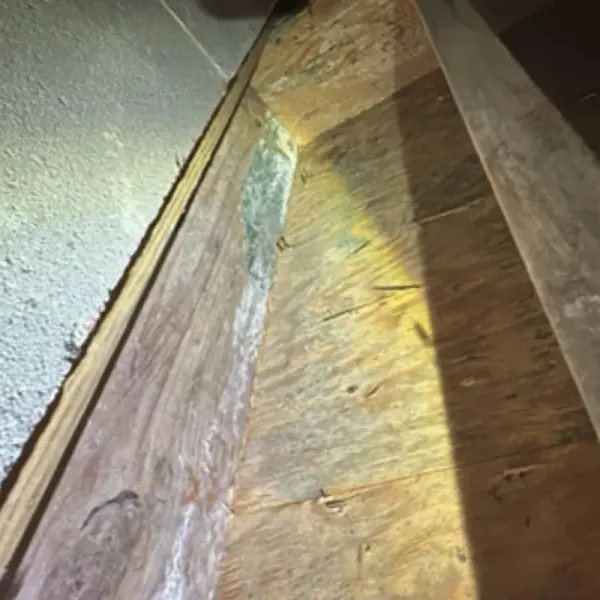
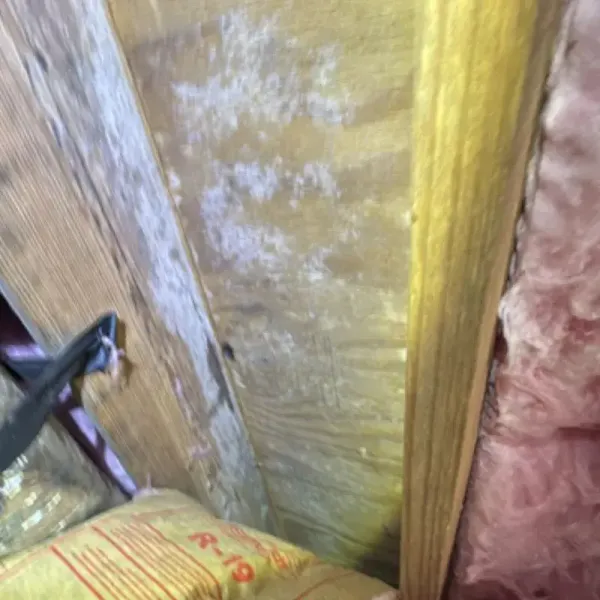
Crawl space mold is a direct result of excess humidity, groundwater intrusion from poor grading, plumbing failures, or insufficient ventilation as mandated by older building codes. When moisture collects under a home, it fosters microbial growth on floor joists, subflooring, support piers, and fiberglass insulation. This can lead to contaminated insulation, the decay of structural wood, and elevated humidity throughout the house.
Many homeowners first detect a crawl space issue when musty odors enter the living area. Air from the crawl space inevitably circulates into the home above through a process called the stack effect. Our crawl space remediation services are built to stop this cycle.
Our crawl space mold remediation services are designed to address existing mold contamination while helping identify the conditions that contributed to the problem. The project scope often involves establishing containment, HEPA vacuuming all surfaces, running HEPA air scrubbers, cleaning structural elements, applying an antimicrobial treatment to framing, and removing contaminated materials like insulation.
We then provide clear recommendations for moisture control, which may include crawl space encapsulation, sump pump installation, or foundation drainage improvements to manage the area’s challenging soil and water table.
By addressing both the mold contamination and the moisture conditions that allowed it to develop, we help property owners work toward a cleaner, healthier, and better-protected crawl space environment.
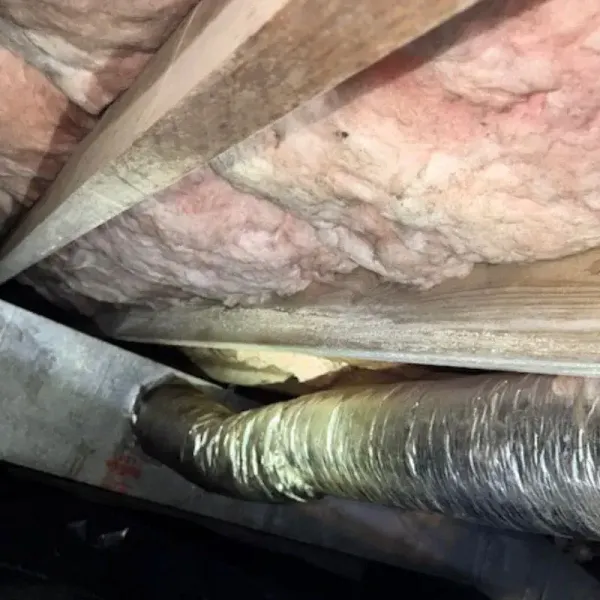

Our Attic Mold Removal Services Eliminate Hidden Mold At Its Source
Our attic mold removal services in Northwest Georgia are designed for the unique challenges presented by local roof and ventilation designs. We address mold affecting insulation, roof sheathing, and structural trusses, which directly impacts indoor air quality.
Attic mold often develops from inadequate ventilation, roof leaks around flashing or pipe boots, or bathroom exhaust fans improperly vented into the attic space instead of to the exterior. You might detect a musty smell on the top floor, notice dark staining on the underside of the roof deck, or see other signs of water intrusion. These are indicators of an active mold problem.
When you schedule our attic mold removal services in Northwest Georgia, our certified technicians locate the source of moisture, remove contaminated materials, and clean and treat all affected areas. By addressing both visible mold and the root cause, we help prevent it from returning and restore your attic to a safe, healthy condition for your family.
We Also Provide Commercial Mold Remediation Services in Northwest Georgia
Commercial mold remediation projects in Northwest Georgia often involve larger building footprints, occupied spaces, multiple stakeholders, and operational requirements that differ significantly from residential projects. We understand the importance of carefully planning remediation efforts to help maintain safety, occupant protection, and minimal disruption to daily operations.
Commercial mold growth can occur in a wide range of environments, including office buildings, schools, healthcare facilities, retail spaces, warehouses, apartment communities, and other commercial properties. Depending on the facility, remediation efforts may require occupied-space considerations, phased project scheduling, after-hours work, containment of affected areas, and coordination with property managers, facility directors, insurance carriers, and other stakeholders.
Our team develops remediation strategies tailored to the specific conditions of the property, the extent of the contamination, and the operational needs of the facility. From localized mold concerns to larger remediation projects, Voda Cleaning & Restoration provides professional remediation solutions designed to help commercial properties maintain healthier indoor environments and return to normal operations as efficiently as possible.

Our Process
Our Mold Remediation Process
Northwest Georgia’s humid climate can create favorable conditions for mold growth in homes and commercial properties, particularly following water damage, elevated humidity, or ongoing moisture issues. Our IICRC-certified technicians adhere to a documented, systematic process for every remediation project. From initial inspection and moisture assessment through containment, remediation, and post-remediation verification, each step is performed in accordance with the S520 Standard for Professional Mold Remediation.

Inspection and Moisture Assessment
Every mold remediation project begins with a detailed inspection of the affected areas. Our technicians evaluate visible mold growth, assess affected materials, identify moisture conditions contributing to the problem, and determine the scope of contamination. Depending on the property, moisture mapping, thermal imaging, moisture meters, and other diagnostic tools may be utilized to help locate concealed moisture and identify conditions that support microbial growth. This information allows us to develop a targeted remediation plan based on the extent of the damage and the source of the moisture intrusion.

Containment and HEPA Air Filtration
Once mold contamination has been identified, containment measures are established to help prevent spores from spreading to unaffected areas of the property. Depending on the scope of contamination, containment barriers, HEPA air filtration systems, and negative air pressure equipment may be utilized to isolate affected areas and support air quality throughout the remediation process. These controls help minimize cross-contamination while remediation activities are performed.

Removal and Treatment of Affected Materials
Affected materials are evaluated for the extent of contamination and overall salvageability. Depending on the type of material involved and the severity of the mold growth, remediation may include HEPA vacuuming, detailed surface cleaning, antimicrobial treatments, and the controlled removal of non-salvageable materials. Particular attention is given to porous and semi-porous materials, as mold can extend beyond visible surface growth. Our goal is to address active contamination while preserving structurally sound materials whenever feasible.

Moisture Control Recommendations
Addressing the conditions that allowed mold growth to occur is an important part of the remediation process. Depending on the property and source of the moisture intrusion, recommendations may include repairing plumbing leaks, improving attic or crawlspace ventilation, managing indoor humidity levels, installing vapor barriers, correcting drainage issues, or implementing crawlspace encapsulation measures. These moisture control strategies help create a less favorable environment for mold growth and reduce the likelihood of future contamination.

Post-Remediation
Testing
Following remediation, post-remediation verification may be performed to help confirm that remediation objectives have been achieved and that affected areas have been properly addressed. Depending on the project scope, this process may include a visual inspection, moisture evaluation, or additional testing by a qualified third party. This final step provides added confidence in the effectiveness of the remediation process before the project is considered complete.
At Voda Cleaning & Restoration of Northwest Georgia, customer satisfaction is our top priority. We value your trust and work hard to exceed your expectations with personalized service. From the moment you contact us, our friendly and professional experts are ready to listen to your concerns, answer your questions, and ensure a smooth and pleasant experience. Your satisfaction is at the heart of everything we do.

Our local, IICRC certified technicians bring expertise and efficiency to every cleaning and restoration project. We stay at the forefront of the industry, using advanced equipment to ensure exceptional results. Whether we’re tackling deep cleaning or restoring your property after water, fire, or storm damage, our approach is thorough and precise. Our goal is to create a safe and healthy environment for your family, employees, or customers while minimizing disruptions and completing the job with the highest level of professionalism.

We offer a comprehensive range of services tailored to meet your unique needs. Whether it’s routine cleaning, addressing stubborn stains or odors, or providing full-scale restoration after damage, we have you covered. Our attention to detail ensures that every aspect of the job is handled with care, leaving your space clean, fresh, and restored to its best condition.

At Voda, we recognize the vital role of technology in delivering exceptional results. Our technicians utilizes advanced equipment and innovative techniques to ensure a thorough cleaning process without compromising quality. We prioritize eco-friendly practices, using environmentally safe cleaning products that are beneficial for you and the planet. Our commitment to reducing our ecological footprint drives us to provide outstanding cleaning results while promoting a healthier environment.
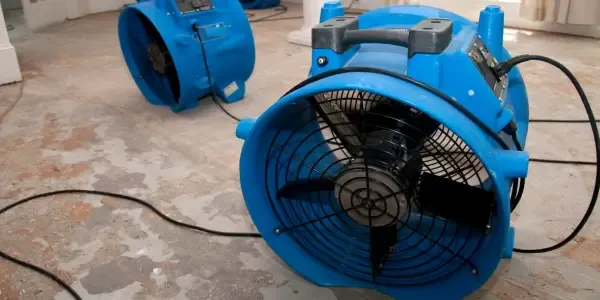
When unexpected water damage occurs, prompt action is crucial. Our skilled technicians are available 24/7 to respond.
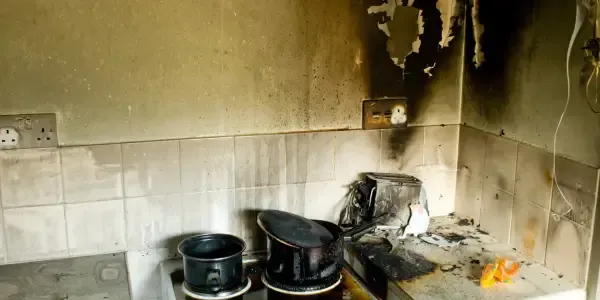
Fire & Smoke Damage Restoration
We remove soot, smoke residue, debris and lingering smells from your property, restoring it to a safe condition after a fire.
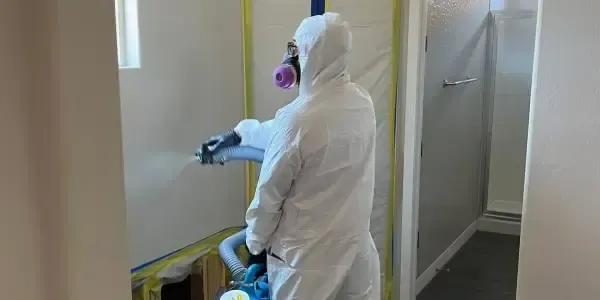
Our remediation experts stop dangerous mold from spreading and compromising your indoor air quality and health.
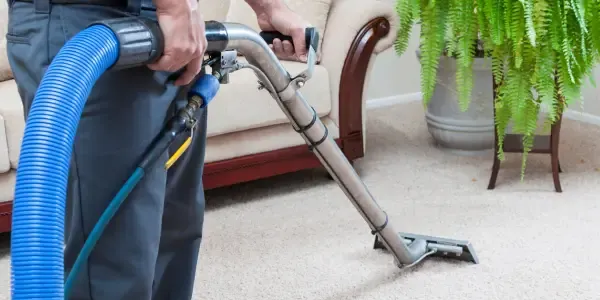
Our experienced technicians effectively remove dirt, stains, and pet odors from your carpets and rugs.
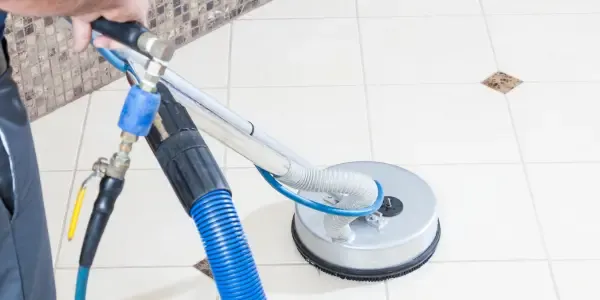
Revitalize your tile and eliminate stubborn grime and grout discoloration with our thorough tile cleaning services.
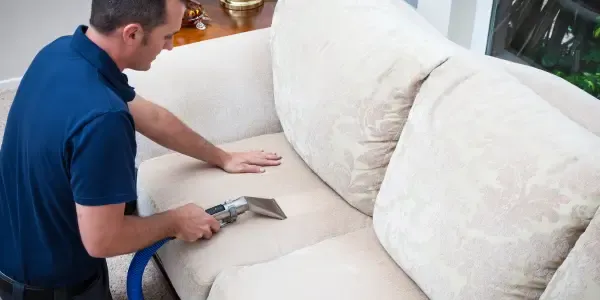
We remove dirt, stains, and allergens from furniture, rejuvenating its appearance and freshness.

Eliminate unpleasant smells from various sources, and enjoy a fresh and inviting, odor-free environment.

Vinyl & Laminate Floor Cleaning
Professional cleaning for vinyl, luxury vinyl, and laminate floors to remove dirt, scuffs, and buildup.

Improve your indoor air quality and increase HVAC efficiency with professional air duct cleaning.