

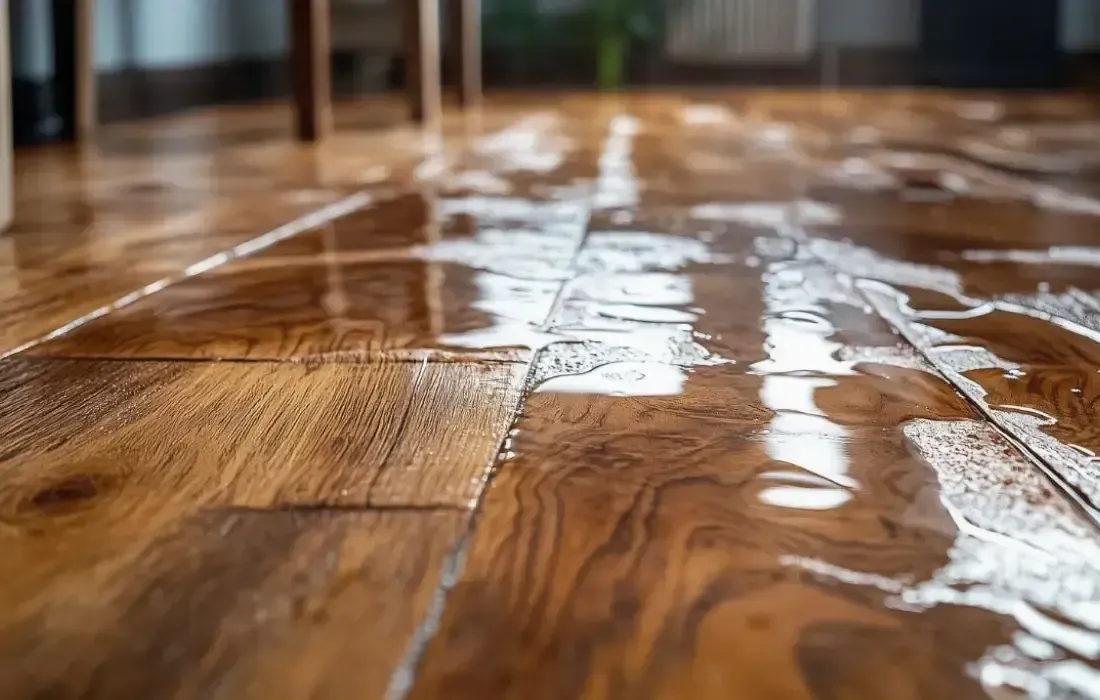
Storm damage restoration starts with early detection so problems do not spread or become more expensive to fix. Acting quickly after severe weather helps protect your home’s structure, finishes, and indoor environment while keeping repair costs under control.
Common Signs of Storm Damage on Your Roof and Exterior
Your roof and exterior surfaces act as the first line of defense against storms. When wind, hail, and heavy rain strike, these areas absorb most of the impact. Early identification allows storm damage restoration professionals to address weak points before moisture travels deeper into the building envelope. Voda Cleaning & Restoration often finds that minor exterior issues can escalate into widespread interior damage when not handled promptly.
Key exterior signs to watch for include:
- Missing, cracked, or curled shingles after strong winds
- Dents or granule loss on asphalt shingles from hail impact
- Loose or lifted flashing around chimneys, skylights, and roof vents
- Bent gutters, separated downspouts, or sagging sections that prevent proper drainage
- Cracked siding, chipped paint, or warped exterior panels that expose wall cavities
- Debris accumulation in valleys or along roof edges
- Fallen branches resting on the roof, fascia, or eaves
Why these warning signs matter:
- Small roof openings allow rainwater to enter attic insulation and framing
- Compromised flashing lets water seep behind walls and ceilings
- Poor drainage sends water toward the foundation, increasing moisture intrusion risks
- Exterior cracks create pathways for humidity and pests
Storm damage restoration focuses on stopping water at the source. Voda Cleaning & Restoration evaluates roofing systems, siding materials, gutters, soffits, and fascia to locate vulnerable points that can lead to hidden water damage if ignored.
Interior Warning Signs That Storm Damage Is Spreading
Storm-related problems do not always appear right away. Moisture can migrate through roof decking, insulation, and wall assemblies before showing visible symptoms indoors. When signs appear inside the home, damage may already be advancing. This is why storm damage restoration should begin as soon as any indoor changes are noticed. Voda Cleaning & Restoration uses professional moisture detection to find water movement patterns that homeowners cannot see.
Common interior indicators include:
- Discoloration or water stains on ceilings and upper walls
- Peeling paint, bubbling finishes, or soft drywall
- Warped wood flooring, swollen baseboards, or loose tiles
- Musty odors that suggest moisture retention within building materials
- Unusual dripping or tapping sounds inside walls after rainfall
- Persistent humidity, foggy windows, or condensation on cold surfaces
- Minor cracks forming along ceiling joints or corners
What these signs often point to:
- Active moisture intrusion through the roof or exterior walls
- Saturated insulation that no longer provides thermal protection
- Elevated risk of mold growth in concealed cavities
- Potential electrical safety concerns near damp wiring or outlets
Storm damage restoration aims to dry, clean, and stabilize affected materials before secondary issues develop. Voda Cleaning & Restoration assesses wall systems, ceiling assemblies, and floor structures to locate moisture sources and prevent long term deterioration.
How Different Storm Types Cause Different Kinds of Damage
Not all storms impact homes in the same way. Each weather event creates distinct damage patterns across roofing materials, siding systems, and interior finishes. Understanding these differences helps homeowners recognize when storm damage restoration is needed. Voda Cleaning & Restoration adapts restoration strategies based on the type of storm and the building components involved.
Hail-related damage may include:
- Bruising or cracking of shingles that weakens protective layers
- Dents in metal roofing, vents, and gutter systems
- Shattered window screens and chipped window frames
- Accelerated wear on exterior coatings
High wind damage often results in:
- Lifted shingles that expose underlayment
- Dislodged flashing around roof penetrations
- Broken tree limbs striking siding, windows, or roofing
- Loosened exterior trim and soffits
Heavy rain and flash flooding can cause:
- Basement seepage along foundation walls
- Saturation of drywall and insulation in lower levels
- Flooring damage from prolonged contact with moisture
- Swelling of door frames and window casings
Severe thunderstorms may lead to:
- Structural stress on roofing systems and framing
- Water intrusion around poorly sealed doors and windows
- Electrical disruptions from water exposure near outlets
- Surface erosion around exterior grading
Storm damage restoration relies on understanding these impact patterns. Voda Cleaning & Restoration evaluates roofing systems, wall assemblies, foundation areas, and drainage paths to identify the full scope of storm-related damage and prevent recurring moisture problems.
Why Delaying Storm Damage Restoration Makes Problems Worse
Time is a critical factor after severe weather. Even small amounts of moisture can compromise building materials quickly. Delayed storm damage restoration often leads to larger repair scopes and longer recovery timelines. Voda Cleaning & Restoration frequently sees that waiting allows damage to spread beyond the original affected area.
Risks of postponing action include:
- Mold development within damp wall cavities
- Wood rot in roof decking, trusses, and framing members
- Breakdown of insulation that reduces indoor comfort and efficiency
- Corrosion of fasteners and metal connectors
- Persistent odors that impact indoor air quality
How early action limits damage:
- Stops moisture migration into adjacent rooms
- Reduces the chance of microbial growth
- Preserves structural integrity of roofing and framing
- Protects interior finishes such as drywall and flooring
- Lowers the total scope of storm damage restoration work
Storm damage restoration performed early helps stabilize materials before irreversible deterioration occurs. Voda Cleaning & Restoration prioritizes timely response to minimize secondary damage and shorten the overall restoration process.
What to Expect From a Professional Storm Damage Restoration Assessment
A professional assessment looks beyond surface damage to uncover moisture trapped inside building assemblies. Storm damage restoration begins with a detailed evaluation of affected areas and potential entry points. Voda Cleaning & Restoration follows industry best practices to identify hidden damage and create a clear restoration plan.
A thorough assessment may include:
- Visual inspection of roofing systems, flashing, and exterior finishes
- Attic evaluation for damp insulation, staining, or weakened decking
- Moisture readings in walls, ceilings, and floors
- Checks around windows, doors, and penetrations for seal failure
- Review of drainage paths and gutter performance
- Documentation to support insurance communication
Benefits of a professional assessment:
- Early detection of concealed moisture
- Accurate scoping of storm damage restoration needs
- Reduced likelihood of recurring leaks
- Faster stabilization of affected areas
- Protection of long term property value
Storm damage restoration is not limited to visible repairs. Voda Cleaning & Restoration uses professional tools to locate moisture pockets and address underlying issues that could lead to future damage if left untreated.
How Landscaping and Drainage Issues Can Worsen Storm Damage
Poor landscaping and ineffective drainage often turn minor storm impacts into major property problems. When water is not directed away from the home, it can collect near the foundation, seep into lower walls, and increase moisture levels inside basements or crawl spaces. Over time, this repeated exposure weakens structural materials and creates ideal conditions for long term moisture damage. Storm damage restoration frequently uncovers that surface water management issues played a role in spreading damage beyond the initial impact zone. Voda Cleaning & Restoration evaluates grading, soil slope, and runoff paths to understand how exterior water flow affects interior spaces.
Common landscaping and drainage issues that contribute to storm-related damage include:
- Soil grading that slopes toward the foundation
- Blocked downspouts that discharge water too close to exterior walls
- Dense shrubs or mulch beds that trap moisture against siding
- Hardscape surfaces that channel rainwater toward entry points
- Compacted soil that prevents proper absorption and drainage
When water repeatedly pools near the foundation, it increases the risk of seepage into wall assemblies and lower levels. Storm damage restoration addresses not only the visible water damage but also the conditions that allow moisture to linger. Voda Cleaning & Restoration helps identify how drainage patterns and landscaping features may be increasing moisture exposure so future storms do not create recurring problems.
How Window and Door Seals Become Hidden Entry Points After Storms
Windows and doors are common entry points for wind-driven rain, especially when seals and weather stripping wear down over time. Even when the glass and frames appear intact, compromised seals can allow moisture to penetrate wall cavities. This slow intrusion often goes unnoticed until interior stains, peeling paint, or damp trim become visible. Storm damage restoration frequently reveals that seal failure around openings allowed water to travel behind drywall and insulation. Voda Cleaning & Restoration inspects window frames, door thresholds, and surrounding trim to identify weak points that may not be obvious after a storm.
Signs that window and door seals may be compromised include:
- Moisture or staining around interior trim
- Drafts or temperature changes near frames
- Swelling or softening of wood trim
- Condensation forming between panes
- Discoloration along caulking lines
When seals fail, repeated exposure to wind-driven rain increases moisture accumulation inside wall systems. Storm damage restoration focuses on locating these subtle entry points to prevent recurring leaks and secondary damage. Voda Cleaning & Restoration assesses seal integrity as part of a comprehensive evaluation so hidden moisture paths are addressed before they lead to mold growth or material breakdown.
The Final Verdict on Storm Damage Restoration You Can Trust
Storm damage restoration works best when issues are identified early and addressed by experienced professionals. Quick recognition of exterior impacts, interior moisture signs, and storm-specific damage patterns helps protect your roof, walls, insulation, and indoor air quality. Waiting allows small problems to escalate into structural damage and costly repairs.
Voda Cleaning & Restoration delivers thorough inspections and dependable storm damage restoration services to stabilize your home and prevent long term deterioration.
If you suspect storm-related damage, Call us at (608) 398-8632 or schedule an appointment.
Frequently Asked Questions About Storm Damage Restoration
How can I tell if water is trapped behind my walls after a storm?
Hidden moisture often shows up as faint wall discoloration, soft drywall, or subtle temperature differences on interior surfaces. A professional storm damage restoration assessment can confirm moisture presence using detection tools and targeted inspections.
What areas are most likely to develop hidden damage weeks after a storm?
Attics, wall cavities near rooflines, window surrounds, and areas behind siding are common zones for delayed moisture symptoms. Storm damage restoration inspections focus on these high risk locations to prevent future deterioration.
Can small roof impacts from hail really lead to interior damage later?
Yes. Even minor hail bruising can weaken shingle layers, allowing slow water intrusion over time. Storm damage restoration addresses these early weaknesses before leaks appear inside the home.
Why do some storm related leaks appear only during heavy rain?
Intermittent leaks often result from compromised flashing or lifted shingles that only allow water entry under specific wind and rain conditions. Storm damage restoration helps identify these entry points and stabilize vulnerable roof components.
More Blogs


Categories