

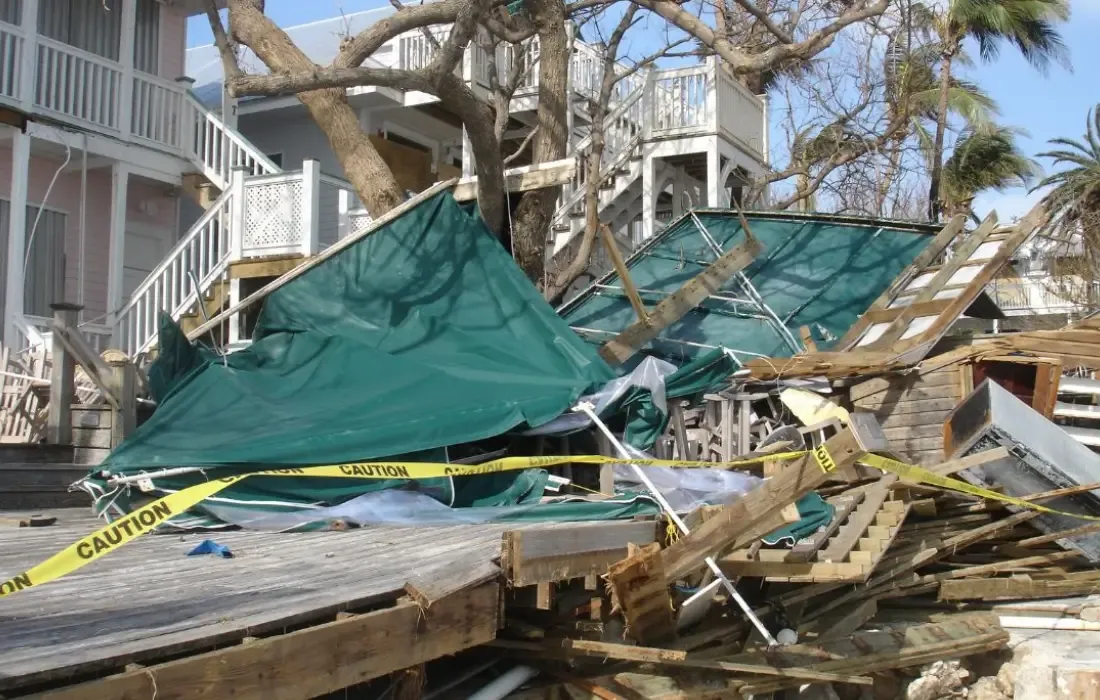
The most essential steps to take right after a severe storm are focused on safety, preventing secondary destruction, and setting up an effective storm damage restoration plan.
Inspect Your Property Safely Before Taking Action
Right after a storm hits your home, the first priority is safety. Storms leave behind unpredictable hazards that can include compromised structures, electrical risks, fallen trees, broken glass, and widespread water intrusion. The way you approach your property during the first few minutes determines how smoothly the storm damage restoration process will go, which is why safety always comes before cleanup.
Start by visually scanning your surroundings from a distance. Look for roof sections that appear uneven, sagging walls, detached gutters, or debris piled against your foundation. A slow, careful walk around your yard and driveway can help you determine whether the property is even safe to enter. If anything appears unstable, keep your distance and wait for professional help.
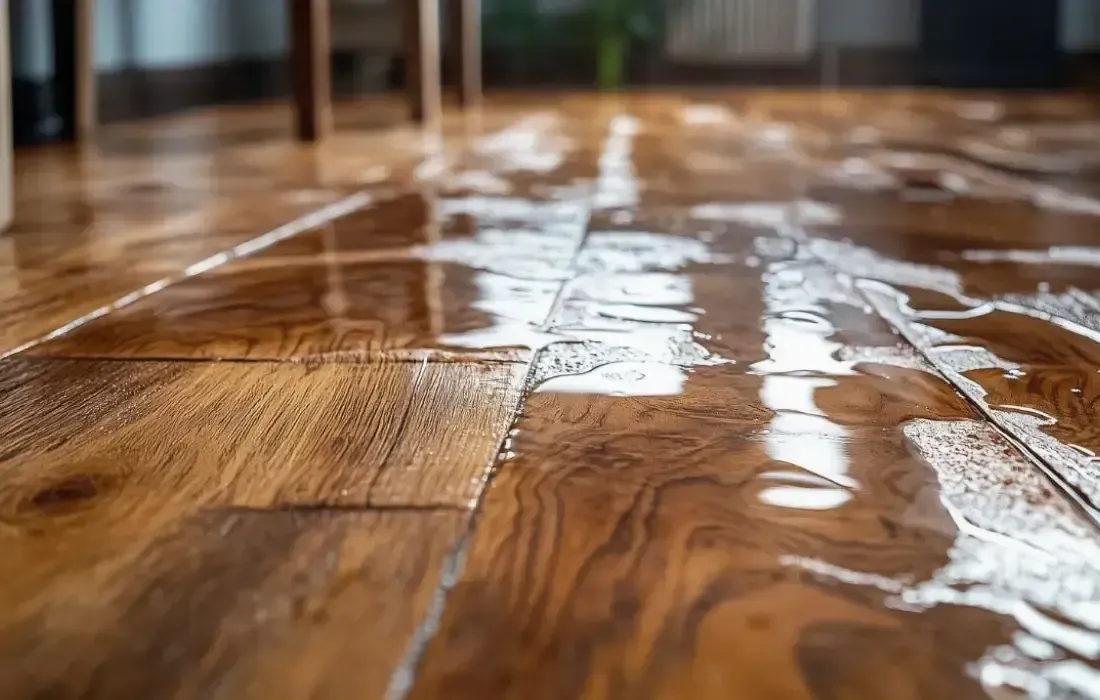
Inside the home, move carefully and avoid stepping on wet flooring until you confirm electrical systems are shut off. If you see flickering lights, water near outlets, or unusual odors, immediately stop. Natural instincts may push you to start cleaning quickly, but this phase should focus entirely on identifying hazards while avoiding additional damage.
During this stage, Voda Cleaning & Restoration can help homeowners by providing rapid assessments. Their trained teams understand how storm damage spreads and can pinpoint risks the average homeowner may overlook. This ensures that the next phase of storm damage restoration can begin safely and efficiently.
Document Structural and Water Damage Thoroughly
Once you confirm your property is safe enough to inspect, you should begin documenting every visible area of damage. This step is essential for your insurance claim and acts as the foundation of your storm damage restoration timeline. Without detailed documentation, you may face delays or disputes when filing for coverage.
Use your phone to capture wide angle shots of entire rooms, close up images of structural issues, and videos that show the full scope of damage. Water lines on walls, ceiling discoloration, cracked tiles, warped flooring, damaged exterior walls, and soaked personal belongings should all be included. The goal is to create a clear visual record of how the storm affected your property before any cleanup or repair begins.
Be sure to document:
- Roof shingles that have lifted or disappeared
- Cracks in siding or brick
- Standing water in basements, garages, or crawlspaces
- Damaged trees or branches resting on your roof
- Wet furniture, rugs, or insulation
- Mud or silt that indicates floodwater movement
Photograph these areas from multiple angles and in good lighting. Your insurance company will rely heavily on this material when evaluating your storm damage restoration needs. If the destruction is widespread or overwhelming, Voda Cleaning & Restoration can assist with professional damage assessments and documentation that meet insurance requirements.
Contact Your Insurance Provider Promptly
After documenting the storm damage, contact your insurance provider as soon as possible. Most policies require prompt reporting, and early communication helps you begin the claim process before the backlog of post storm filings grows. Delaying this step may slow down your restoration timeline and limit your ability to receive full compensation.
When speaking with your insurer:
- Provide a detailed summary of what happened
- Submit photos, videos, and written notes
- Ask about temporary repairs you are allowed to make
- Request guidance on storing damaged items
- Confirm whether an adjuster will visit your property and when
During this phase, patience is essential. Storm events often affect entire communities, which means insurance responses may be slower than usual. Document all conversations with your insurer and store claim numbers, emails, and receipts in one place. These records will support your storm damage restoration process and ensure you are reimbursed properly.
Many homeowners appreciate assistance during claims, and Voda Cleaning & Restoration can coordinate directly with your insurance provider so your documentation, cleanup, and repair estimates remain organized.
Secure the Property to Prevent Additional Damage
Once the initial assessment and insurance communication are complete, your next step is securing the property to stop further damage. Severe storms often create openings that let in rain, wind, pests, or unauthorized access. Temporary protection is a critical part of storm damage restoration because it prevents secondary issues that could increase your repair costs.
Helpful temporary protective actions include:
- Boarding broken windows
- Placing plastic coverings over roof openings
- Removing light debris that blocks pathways or drains
- Closing off rooms with structural instability
- Using sandbags in areas where water still flows toward the home
- Covering exposed electrical panels with waterproof material
These temporary fixes are only meant to stabilize your home until professionals arrive. They are not intended as long term solutions and should never replace certified restoration work. Attempting DIY repairs on roofing, electrical systems, or water damage can be unsafe and may worsen the situation.
Voda Cleaning & Restoration offers rapid emergency response services to secure properties and limit additional destruction. Their trained technicians understand how water spreads, how roofing systems respond to storm impact, and how to stabilize homes safely while preparing for full restoration.
Schedule Professional Storm Damage Restoration Services
After stabilizing your property, the next essential step is scheduling professional storm damage restoration. Storm damage can affect structural components, roofing materials, electrical systems, insulation, drywall, flooring, and the air quality inside your home. These issues require specialized equipment and trained technicians to ensure proper cleanup and restoration.
Professional restoration typically includes:
- Water extraction and moisture mapping
- Structural drying using high grade dehumidifiers
- Debris removal and sanitization
- Mold prevention and air quality control
- Roof repair and temporary tarping
- Reconstruction of damaged materials
- Deep cleaning of affected surfaces
Attempting to fix storm related damage without professional help often leads to hidden moisture pockets, slow mold development, and long term structural problems. Certified storm damage restoration services follow industry standards to ensure your home is thoroughly dried, repaired, and returned to a safe condition.
Voda Cleaning & Restoration has extensive experience restoring properties affected by heavy rain, hail, wind, and flooding. Their fast response and specialized equipment make the restoration process smoother and more reliable for homeowners recovering after a storm.
Assess Long Term Damage and Future Protection Needs
The final step before concluding the storm recovery process involves evaluating long term structural health and identifying ways to protect your home from future events. Severe storms often reveal weaknesses that may not have been noticeable before, and addressing these now can save you from significant repair costs during the next weather event.
Key areas to evaluate include:
- Roof reinforcement or upgraded underlayment
- Enhanced drainage systems around the perimeter
- Elevated storage solutions for basements or garages
- Updated siding or exterior sealants
- Improved insulation to prevent moisture retention
This forward thinking approach strengthens your property and ensures that storm damage restoration is not only about recovery, but also prevention. Voda Cleaning & Restoration can provide recommendations based on your property’s vulnerabilities and help you build a stronger defense against future storms.
Understanding Hidden Moisture After Storm Damage
Hidden moisture is one of the most overlooked issues homeowners face after severe weather, yet it plays a major role in long term storm damage restoration. Even when surfaces appear dry, storm water can seep deep into materials such as subflooring, insulation, wall cavities, and wooden framing. This trapped moisture becomes a breeding ground for mold, mildew, and structural decay, often revealing itself only weeks later through soft spots, peeling paint, or uneven flooring. Because storm water carries contaminants, even small pockets of moisture can compromise indoor air quality and create health concerns.
Professional moisture detection is essential because homeowners cannot reliably spot hidden water on their own. Tools like thermal imaging cameras, moisture meters, and hygrometers reveal what the naked eye misses. Voda Cleaning & Restoration uses these advanced techniques to map moisture throughout the property and create a tailored drying plan. Effective storm damage restoration requires removing water at its deepest point, not just drying visible surfaces. This prevents long term deterioration and ensures your home is restored in a way that protects both your structure and indoor environment.
Why Fast Response Matters in Storm Damage Restoration
Timing plays a critical role in reducing the overall impact of storm related destruction. The longer water, debris, or structural damage sits untouched, the more costly and complicated the storm damage restoration process becomes. Within the first 24 to 48 hours, moisture that remains inside walls or flooring can trigger mold growth. Saturated drywall begins to sag, wooden framing can warp, and electrical systems may become corroded. Delayed restoration also increases the risk of secondary problems such as pest activity, bacterial growth, and air quality issues that affect your living conditions.
A fast response ensures that mitigation starts early, which limits long term deterioration. It also helps lower insurance claims by reducing the amount of material that must be replaced. Voda Cleaning & Restoration prioritizes rapid emergency response to prevent these issues. Their team can begin water extraction, debris removal, and structural drying quickly, restoring stability to your property. Immediate action also provides peace of mind during a stressful time, since you know trained professionals are controlling the situation. Fast and organized intervention is not optional in storm damage restoration. It is the key to protecting your property, your health, and your financial investment.
The Final Verdict on Storm Damage Restoration and Your Safety
Recovering from a severe storm is challenging, but taking the right steps early can make the entire process smoother and safer. From documenting structural issues to contacting insurance, securing your home, and hiring trained professionals for storm damage restoration, every action plays a crucial role in protecting your property. Voda Cleaning & Restoration offers dependable support throughout each stage, ensuring your home is restored with care and precision.
If you need help after a storm or want an expert assessment, Call us at (608) 398-8632 or schedule an appointment.
Frequently Asked Questions About Storm Damage Restoration
What should I do if my home smells musty after the storm is over?
A musty odor usually means moisture is trapped inside walls, flooring, or insulation. This can lead to mold growth if ignored. Professional moisture mapping from Voda Cleaning & Restoration can locate hidden water and eliminate the odor at its source before it becomes a larger issue.
How do I know if my roof is too damaged to repair and needs replacement?
If you notice sagging areas, multiple missing shingles, exposed underlayment, or visible daylight through attic boards, the roof may be beyond simple repairs. A professional inspection is the best way to determine whether storm damage restoration or full replacement is required.
Why does storm water cause damage even when flooding seems minor?
Storm water carries contaminants, bacteria, and fine particles that seep deep into materials like drywall, carpets, and wooden framing. Even small amounts of water can weaken structural components or trigger mold growth. That is why professional extraction and drying are essential.
More Blogs


Categories