

Mold growth often begins long before it becomes visible, and early mold remediation is the key to preventing costly damage and health risks.
Many homeowners assume mold only appears after flooding or severe leaks, but mold can develop quietly due to everyday moisture, humidity, or unnoticed water intrusion. Understanding the earliest warning signs allows you to act quickly and rely on professional support before the problem escalates.
Musty Odors That Do Not Go Away
A persistent musty smell is often the first red flag that mold may be developing somewhere in your home. Even if surfaces look clean, mold can grow behind walls, under flooring, or inside cabinets where moisture lingers.
Common odor related warning signs include:
- A damp or earthy smell that returns after airing out the space
- Odors that become stronger after rain or humidity spikes
- Musty smells concentrated near bathrooms, basements, or laundry rooms
These smells are not just unpleasant. They often indicate active microbial growth feeding on moisture and organic materials. Voda Cleaning & Restoration understands that odor alone can signal hidden mold colonies that require professional mold remediation rather than surface level treatment.
When odors persist, it usually means spores are already circulating through indoor air. Ignoring this sign allows mold to spread into structural materials, making remediation more complex and disruptive later.
Visible Discoloration on Walls, Ceilings, or Floors
Visible mold does not always appear as thick black patches. Early mold growth often looks subtle, which is why many homeowners dismiss it as dirt, staining, or aging materials.
Signs to watch closely include:
- Faint green, gray, or white patches on drywall
- Dark spots near window frames or ceiling corners
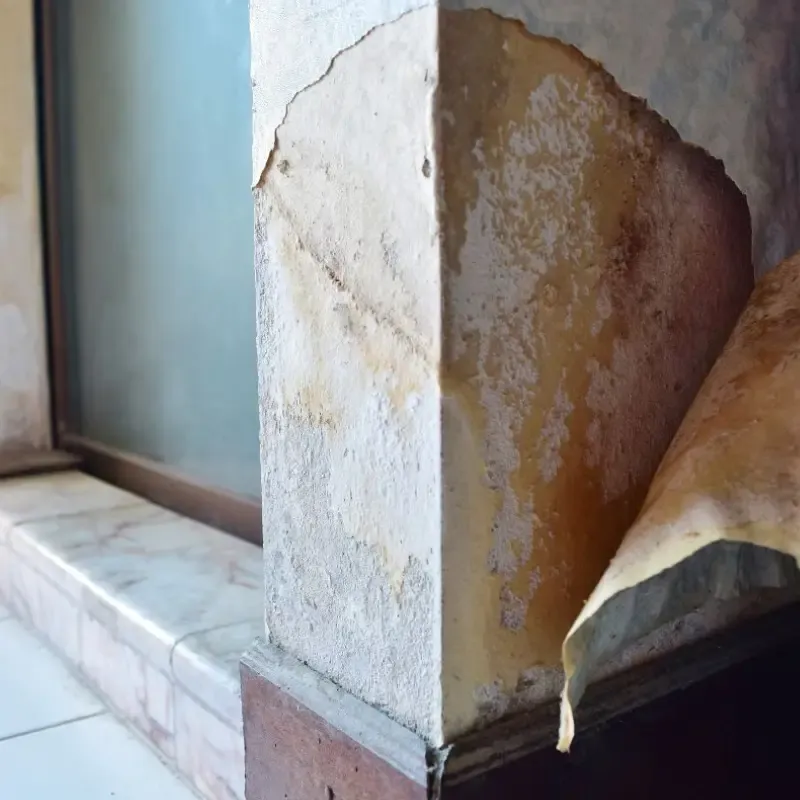
- Peeling paint or bubbling wallpaper caused by trapped moisture
Discoloration often forms where moisture collects repeatedly, such as around windows, plumbing lines, or HVAC vents. Voda Cleaning & Restoration evaluates these visual changes during mold remediation to determine whether mold is active beneath the surface or spreading internally.
Addressing discoloration early helps prevent mold from penetrating deeper into building materials, where removal becomes more invasive and costly.
Increased Allergy Like Symptoms Indoors
When mold spores become airborne, they affect indoor air quality long before mold becomes visible. Homeowners often notice unexplained physical symptoms that seem worse at home than elsewhere.
Common indoor exposure indicators include:
- Frequent sneezing or throat irritation indoors
- Sinus pressure or headaches that improve when leaving home
- Itchy eyes or skin without seasonal triggers
These symptoms can intensify in enclosed or poorly ventilated spaces. Professional mold remediation focuses not only on removing visible growth but also on reducing airborne contamination that contributes to these reactions.
Voda Cleaning & Restoration approaches mold remediation with advanced containment and filtration strategies designed to protect occupants during the cleanup process and improve overall indoor air conditions.
Recent Water Damage or Ongoing Moisture Problems
Any form of water damage significantly increases the likelihood of mold growth. Mold can begin developing within 24 to 48 hours after moisture exposure, even if the affected area appears dry.
Situations that commonly lead to mold remediation include:
- Roof leaks that go unnoticed inside attic spaces
- Plumbing leaks behind walls or under sinks
- Past flooding where drying was incomplete
Even small, slow leaks can sustain mold growth over time. Voda Cleaning & Restoration frequently handles mold remediation cases tied to unresolved moisture problems that were initially considered minor.
Professional evaluation ensures both mold and its moisture source are addressed, which is essential for long term protection and prevention of repeat growth.
Warped Materials and Soft Surfaces
Mold feeds on organic materials such as wood, drywall, and insulation. Over time, this weakens structural components and causes noticeable physical changes.
Warning signs include:
- Drywall that feels soft or crumbles easily
- Flooring that warps, lifts, or separates
- Baseboards that swell or pull away from walls
These changes usually indicate prolonged moisture exposure paired with mold activity. During mold remediation, Voda Cleaning & Restoration inspects affected materials to determine whether they can be restored or need professional removal.
Ignoring structural changes allows mold to continue spreading behind surfaces, increasing the scope of damage and restoration costs.
Condensation and Poor Ventilation Areas
Spaces with frequent condensation create ideal conditions for mold development. High humidity combined with limited airflow allows moisture to settle on surfaces for extended periods.
Common problem areas include:
- Bathrooms without proper exhaust ventilation
- Kitchens where steam accumulates
- Closets or storage areas along exterior walls
Condensation may seem harmless, but repeated moisture exposure creates a consistent breeding ground for mold. Voda Cleaning & Restoration emphasizes that mold remediation must address both contamination and environmental conditions that support regrowth.
Professional remediation plans often include moisture control strategies alongside safe mold removal to reduce future risk.
Mold Growth in HVAC Systems and Air Ducts
Mold growth inside HVAC systems is one of the most overlooked yet serious issues homeowners face. Because heating and cooling systems circulate air throughout the home, mold hidden inside ductwork can spread spores into every room without obvious visual clues. This often leads to persistent indoor air quality issues that are difficult to trace without professional evaluation.
Signs that mold remediation may be needed within HVAC components include:
- Musty odors when the system turns on
- Increased allergy symptoms during heating or cooling cycles
- Dust buildup that returns quickly after cleaning
Moisture from condensation, clogged drain lines, or poor airflow creates ideal conditions for mold to thrive inside air handlers and ducts. Voda Cleaning & Restoration understands that HVAC related mold problems require specialized containment and cleaning methods to prevent cross contamination during mold remediation.
Because HVAC systems impact the entire home, delaying professional remediation allows mold to continue spreading silently. Addressing this issue early helps protect both structural components and indoor air quality.
Mold Growth After Seasonal Weather Changes
Seasonal shifts often create hidden moisture conditions that encourage mold growth. Changes in temperature and humidity can cause condensation to form inside walls, attics, and crawl spaces, even when there is no obvious water leak. These conditions often catch homeowners off guard because the damage develops gradually.
Common seasonal risk factors include:
- High humidity during warmer months
- Rapid temperature drops causing condensation
- Snowmelt or heavy rain seeping into foundations
Homes that appear dry on the surface may still require mold remediation due to moisture trapped within insulation or framing materials. Voda Cleaning & Restoration frequently responds to mold issues that emerge weeks after seasonal storms or humidity spikes, when homeowners least expect it.
Professional mold remediation following seasonal changes focuses on identifying moisture patterns that are easy to miss during routine inspections. Addressing these risks early helps prevent mold from becoming a recurring problem tied to yearly weather cycles rather than isolated incidents.
The Final Verdict on Mold Remediation You Can Trust
Mold rarely appears overnight, but once it takes hold, it spreads quickly and silently. Recognizing early warning signs gives homeowners the opportunity to act before mold compromises structural integrity and indoor air quality.
Key points to remember:
- Mold often develops in hidden or poorly ventilated areas
- Odors, discoloration, and health symptoms are early indicators
- Moisture control is essential to successful mold remediation
Voda Cleaning & Restoration provides professional mold remediation services that go beyond surface cleanup to protect your home and health long term.
Call us at (608) 398-8632 or schedule an appointment to address mold concerns before they become a larger issue.
Frequently Asked Questions About Mold Remediation
Can mold grow even if I do not see standing water?
Yes. Mold often grows from humidity, condensation, or slow leaks that never create visible pooling. Mold remediation is commonly needed in homes with hidden moisture problems.
Why does mold keep coming back after cleaning?
Recurring mold usually means the moisture source was never fully addressed. Professional mold remediation focuses on identifying and correcting the conditions that allow mold to return.
Does mold affect home value during a sale?
Yes. Unresolved mold issues can delay transactions or reduce property value. Proper mold remediation documentation helps reassure buyers and inspectors.
More Blogs


Categories